de
de zh
zh fr
fr es
es tr
tr pt
pt nl
nl ru
ru uk
uk hi
hi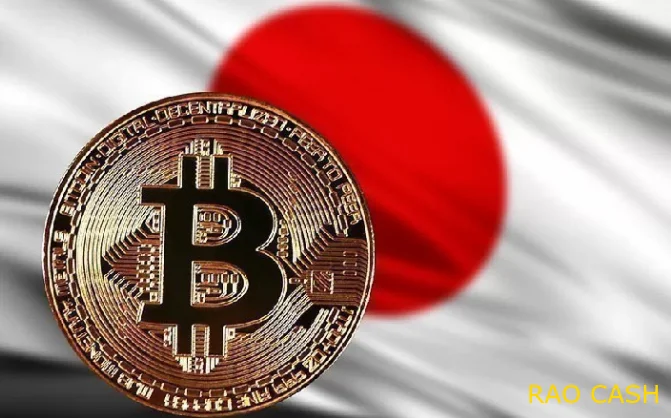
Japan, long considered one of the world's most conservative financial capitals, has officially changed course. The country's government has not only expressed sympathy for digital assets but has made them a central element of its economic strategy. 2026 has been officially declared the "Year of Digital Technologies," and this is not just a slogan, but a large-scale transformation plan.
Historic Statement by the Minister of Finance
Japanese Finance Minister Satsuki Katayama's New Year's address at the Tokyo Stock Exchange symbolized a new era. In her speech, she emphasized that the integration of cryptocurrencies such as Bitcoin (BTC) into the country's traditional financial system is inevitable and crucial.
According to Katayama, the government sees blockchain technology as the foundation for an innovative trading environment. The minister noted that traditional stock and commodity exchanges must play a key role in providing citizens with access to digital assets, blurring the boundaries between the old and new financial worlds.
Tax Revolution of 2026
One of the main barriers for crypto enthusiasts in Japan has always been harsh taxes. Until recently, the maximum rate on cryptocurrency profits could reach 55%, forcing many investors to leave the country.
The situation is changing dramatically with the 2026 tax reform:
Rate Reduction: A transition from a progressive tax rate to a flat 20% tax is planned.
New Asset Status: The Financial Services Agency (FSA) has already reclassified 105 major cryptocurrencies (including Bitcoin and Ethereum) as fully-fledged financial products.
Institutional Recognition: This status places crypto assets on par with stocks and bonds, significantly simplifying their legal use by companies and banks.
Following the US: Anticipating Cryptocurrency ETFs
In her speech, Satsuki Katayama highlighted the US experience, noting the phenomenal success of cryptocurrency ETFs. The minister acknowledged that such instruments are an effective means of protecting private investors from inflation.
Currently, there are no locally available crypto ETFs in Japan, but the rhetoric of the Ministry of Finance sends a clear message: the launch of similar exchange-traded funds within the country is only a matter of time. The government is striving to create a secure and transparent infrastructure that will allow Japanese citizens to invest in Bitcoin through their traditional brokerage accounts.
Why is this important for the global market?
Japan is the world's third-largest economy, and its full entry into the crypto arena in 2026 will create enormous pressure on competitors.
Liquidity influx: Tax cuts will attract billions of yen of domestic capital to the sector.
Technological Leadership: Government support for exchanges will accelerate the adoption of Web3 technologies in the real economy.
An Example for Asia: Tokyo's actions could encourage other countries in the region (for example, South Korea) to similarly ease their policies.
In Conclusion
2026 promises to be a turning point for the Japanese financial sector. The transition from strict regulation to active support and tax breaks makes Japan one of the most attractive players on the global crypto map. If the government's plans are fully implemented, the "era of digital assets" will begin right here, in the Land of the Rising Sun.
Rao Cash Analytical Expertise: Event Context
The latest data presented in Japan Bets on a Crypto Breakthrough: Why 2026 Will Be the 'Era of Digital Assets' clearly reflects the ongoing shifts in the balance of power within the global cryptocurrency market. The Rao Cash information portal monitors these market triggers 24/7, delivering high-quality crypto news, real-time on-chain statistics, and expert blockchain industry insights to our audience. We assist readers in promptly identifying long-term trends while filtering out speculative noise and market manipulation.
Analyzing the event requires a comprehensive approach, including liquidity assessment, exchange trading volume tracking, and smart contract security audits. A vital element of our internal ecosystem is the utility RAO token—a digital asset integrated into our content infrastructure that unlocks access to professional data processing tools. By conducting granular technical analysis, our team helps investors gain a deeper understanding of institutional capital flows across the DeFi and Real World Asset (RWA) tokenization sectors.
By exploring the analytical breakdown on our multi-language platform, you gain access to verified, real-time insights. Our expert editorial group prioritizes objectivity and factual accuracy, establishing a trustworthy information foundation for making informed decisions in a rapidly evolving Web3 economy.