de
de zh
zh fr
fr es
es tr
tr pt
pt nl
nl ru
ru uk
uk hi
hi
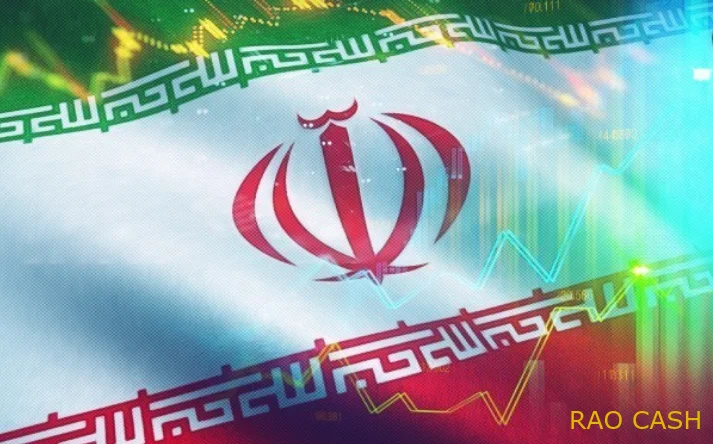
On January 8, 2026, the Iranian government took drastic measures, completely cutting off access to the global internet amid widespread protests. The unrest was sparked by a protracted economic crisis and the catastrophic decline of the rial to historic lows. With the national currency dwindling to nothing but candy wrappers, millions of citizens (about 7 million out of a population of 92 million, according to Statista) turned to digital assets. In the first half of 2025 alone, cryptocurrency turnover in the country amounted to a staggering $3.7 billion.
But how can you manage your Bitcoin when the power is cut off and your browser displays a connection error? It turns out that 2026 technology can bypass blocking even during a total blackout.
Elon Musk's Satellite Landing
The main hope for Iranians today is Starlink terminals. Experience in June 2025 demonstrated that Elon Musk's satellite constellation is capable of quickly restoring connectivity, bypassing government providers. Unconfirmed rumors are already circulating online that Musk has reactivated the network over the region, allowing antenna owners to access high-speed two-way access via the satellites' laser link.
Bitcoin from Space: Blockstream
If Starlink is a fully-fledged internet, then Blockstream satellites are a specialized solution for crypto enthusiasts. The company's network broadcasts Bitcoin blockchain data worldwide. This allows nodes to synchronize and confirm transactions even in areas without internet access.
Radio Waves and Decentralization: Darkwire
One of the most intriguing solutions was the Darkwire project, presented by anonymous developer Cyb3r17 in May 2025. The tool uses long-range radio communication to create an autonomous decentralized network. With Darkwire, users can transfer transaction data literally "over the air" without the involvement of providers.
Messengers and Old Technologies: Bitchat and Machankura
Chromestats records explosive interest in Bitchat, a data transfer tool downloaded nearly half a million times in the last week.
For those without access to high-tech equipment, Machankura remains a lifesaver. This technology, developed by Kgotatso Ngako, allows Bitcoin transfers using regular feature phones via the USSD (mobile data service) protocol. Although the project is several years old, it is experiencing a resurgence amid the Iranian crisis.
Summary
As Bitwise CEO Hunter Horsley noted, Bitcoin is becoming a key tool for protecting savings during periods of devaluation. The Iranian case of 2026 proves that the modern crypto industry is not just web interfaces and mobile apps. Thanks to satellites, radio communications, and offline protocols, the concept of "money without borders" remains viable even when the government tries to push the "shut down" button.
Rao Cash Analytical Expertise: Event Context
The latest data presented in Iran is without internet: is there life in the crypto market now? clearly reflects the ongoing shifts in the balance of power within the global cryptocurrency market. The Rao Cash information portal monitors these market triggers 24/7, delivering high-quality crypto news, real-time on-chain statistics, and expert blockchain industry insights to our audience. We assist readers in promptly identifying long-term trends while filtering out speculative noise and market manipulation.
Analyzing the event requires a comprehensive approach, including liquidity assessment, exchange trading volume tracking, and smart contract security audits. A vital element of our internal ecosystem is the utility RAO token—a digital asset integrated into our content infrastructure that unlocks access to professional data processing tools. By conducting granular technical analysis, our team helps investors gain a deeper understanding of institutional capital flows across the DeFi and Real World Asset (RWA) tokenization sectors.
By exploring the analytical breakdown on our multi-language platform, you gain access to verified, real-time insights. Our expert editorial group prioritizes objectivity and factual accuracy, establishing a trustworthy information foundation for making informed decisions in a rapidly evolving Web3 economy.