de
de zh
zh fr
fr es
es tr
tr pt
pt nl
nl ru
ru uk
uk hi
hi
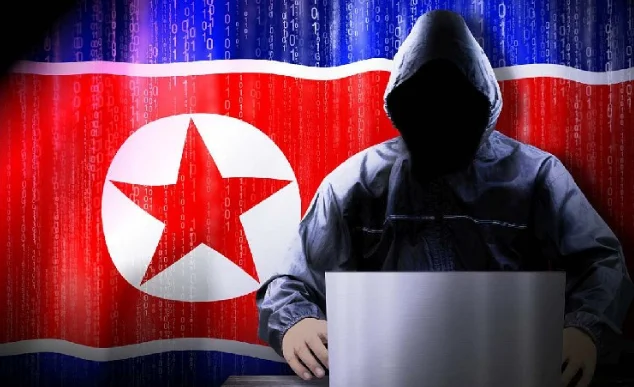
Cybercrime in 2026 has reached a new level: attack automation has become a common reality. According to the latest cybersecurity reports, the notorious Konni group, linked to North Korea, has begun actively using neural networks to generate and obfuscate malicious code. Now, their primary targets are software developers and IT specialists.
Evolution of Threats: AI in the Service of Hackers
The Konni group has always been known for its sophisticated social engineering methods, but the use of artificial intelligence has made their campaigns almost invisible to classical antivirus solutions.
How the hackers' new tools work:
- Polymorphic Code: AI allows the creation of thousands of variations of the same virus, each with a unique digital signature. This makes signature-based analysis ineffective.
- Perfect Phishing: Using Large Language Models (LLMs), hackers generate emails that are indistinguishable from official GitHub requests or job offers from major IT companies.
- Vulnerability Analysis: Neural networks help attackers find bugs in open-source code faster than the community can detect them.
Targets and Methods: Why Developers?
Developers are the "golden key" to any company's infrastructure. By gaining access to a programmer's workstation, hackers can inject malicious code directly into the released product (supply chain attacks), endangering millions of end-users.
Typical attack scenario in 2026:
1. Social Engineering via LinkedIn: Hackers use AI bots with convincing profiles to establish contact with developers.
2. Fake Repositories: The victim is invited to participate in a "promising open-source project" containing an AI-generated backdoor.
3. Credential Theft: The primary task of the malware is the stealthy copying of SSH keys, cloud access tokens, and cryptocurrency wallets.
Forecast: How Konni's Activity Will Affect the RAO Cash Token
The rise of AI-driven cyber threats is inevitably shifting investor priorities toward security and decentralization. This directly reflects on the RAO Cash ecosystem.
- Increased Value of Security: Since RAO Cash is built on the principles of a transparent blockchain and secure smart contracts, users will increasingly choose such proven tools over centralized systems vulnerable to "human factor" breaches.
- Demand for Decentralization: Konni's attacks highlight the risks of centralized management. RAO Cash offers an architecture where only the owner has access to the funds, making the token a more attractive protective asset in the era of "cyber cold war."
- Infrastructural Immunity: Hackers' focus on the IT sector forces the RAO Cash community to implement even stricter code security standards. This increases the fundamental value of the project in 2026.
Conclusion: The use of AI by the Konni group is a signal to all market participants about the need to switch to more secure, decentralized financial instruments. For the RAO Cash token, this trend could be a growth driver, as the project offers a safe haven for capital in the age of ubiquitous AI attacks.
Rao Cash Analytical Expertise: Event Context
The latest data presented in North Korean Konni Hackers Use AI-Generated Malware to Target Developers clearly reflects the ongoing shifts in the balance of power within the global cryptocurrency market. The Rao Cash information portal monitors these market triggers 24/7, delivering high-quality crypto news, real-time on-chain statistics, and expert blockchain industry insights to our audience. We assist readers in promptly identifying long-term trends while filtering out speculative noise and market manipulation.
Analyzing the event requires a comprehensive approach, including liquidity assessment, exchange trading volume tracking, and smart contract security audits. A vital element of our internal ecosystem is the utility RAO token—a digital asset integrated into our content infrastructure that unlocks access to professional data processing tools. By conducting granular technical analysis, our team helps investors gain a deeper understanding of institutional capital flows across the DeFi and Real World Asset (RWA) tokenization sectors.
By exploring the analytical breakdown on our multi-language platform, you gain access to verified, real-time insights. Our expert editorial group prioritizes objectivity and factual accuracy, establishing a trustworthy information foundation for making informed decisions in a rapidly evolving Web3 economy.