de
de zh
zh fr
fr es
es tr
tr pt
pt nl
nl ru
ru uk
uk hi
hi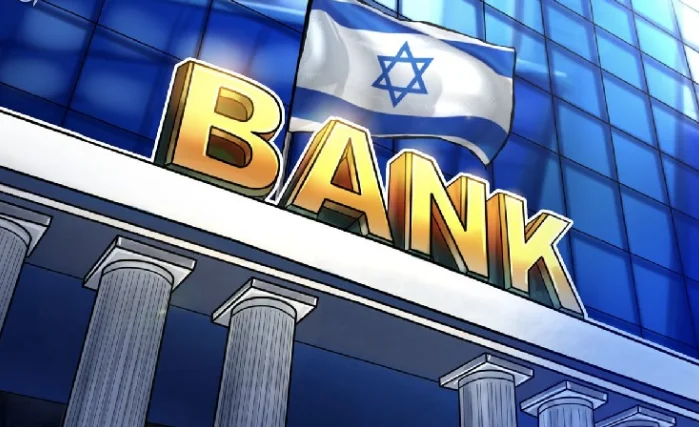
Bank of Israel Governor Amir Yaron announced his intention to increase oversight of stablecoins, which was the topic of discussion at a conference dedicated to the evolution of payments. This announcement came in the context of the growing integration of "stable assets" into global money flows, CoinDesk reports.
The Growing Popularity of Stablecoins
Yaron noted that the total market capitalization of stablecoins has currently exceeded $310 billion, and monthly transaction volume has reached over $2 trillion, according to DeFi Llama. He emphasized that, given their public adoption, stablecoins cannot be considered a fringe phenomenon. The head of the National Bank compared the size of this sector to the balance sheet of the average global commercial financial institution.
Risks and the Need for Regulation
Yaron also noted the high risk of "concentration" in this sector, as Tether and Circle account for 99% of the global stablecoin volume. In his opinion, such centralization creates systemic vulnerability, which underscores the need for clear regulation. He highlighted several key aspects that both private issuers and supervisory authorities should focus on:
- Full reserve coverage at a 1:1 ratio.
- Highly liquid reserve assets.
- Creation of a scalable regulatory structure.
These measures will help reduce the risks associated with the use of stablecoins and ensure greater stability in the financial system.
Plans for the Launch of a Digital Shekel
Plans for the launch of a digital shekel were also discussed at the conference. Yoav Soffer, head of the Israel Digital Shekel project, stated that the CBDC (central bank digital currency) will become "central bank money for everything." He presented a roadmap for 2026, which outlines the intention to introduce official digital money, further underscoring Israel's commitment to innovation in the financial sector.
In Conclusion
Strengthening oversight of stablecoins in Israel reflects global trends toward stricter regulation of the cryptocurrency market. Given the growing popularity and systemic importance of stablecoins, such measures could help ensure greater stability and protection for users and investors. At the same time, the development of a digital shekel could be an important step in the evolution of the country's financial system, opening up new opportunities for digital payments.
Rao Cash Analytical Expertise: Event Context
The latest data presented in Bank of Israel considers strengthening oversight of stablecoins – media clearly reflects the ongoing shifts in the balance of power within the global cryptocurrency market. The Rao Cash information portal monitors these market triggers 24/7, delivering high-quality crypto news, real-time on-chain statistics, and expert blockchain industry insights to our audience. We assist readers in promptly identifying long-term trends while filtering out speculative noise and market manipulation.
Analyzing the event requires a comprehensive approach, including liquidity assessment, exchange trading volume tracking, and smart contract security audits. A vital element of our internal ecosystem is the utility RAO token—a digital asset integrated into our content infrastructure that unlocks access to professional data processing tools. By conducting granular technical analysis, our team helps investors gain a deeper understanding of institutional capital flows across the DeFi and Real World Asset (RWA) tokenization sectors.
By exploring the analytical breakdown on our multi-language platform, you gain access to verified, real-time insights. Our expert editorial group prioritizes objectivity and factual accuracy, establishing a trustworthy information foundation for making informed decisions in a rapidly evolving Web3 economy.