de
de zh
zh fr
fr es
es tr
tr pt
pt nl
nl ru
ru uk
uk hi
hi
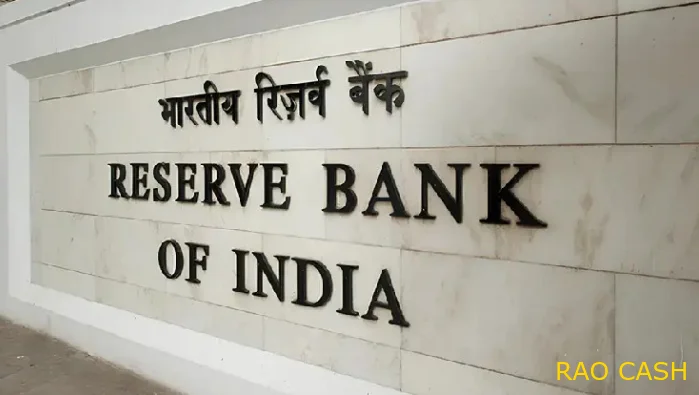
Reserve Bank of India (RBI) Deputy Governor T. Rabi Sankar expressed his views on stablecoins, calling them risky assets that perform no functions that government currencies lack. This statement underscores the Indian authorities' cautious attitude toward digital assets and their potential risks to the country's economy.
The Growing Popularity of Stablecoins
According to Sankar, the popularity of stablecoins has increased thanks to the creation of a regulatory framework for their use in the United States. Currently, the total market capitalization of stablecoins exceeds $300 billion, demonstrating significant interest in these digital assets. However, India prefers not to follow the example of countries such as the United States, Japan, and the European Union in developing cryptocurrency laws.
Central Bank Concerns
India's central bank has expressed concerns that the use of stablecoins in the country's financial system could pose serious risks. Sankar noted that:
- Illegal payments: Stablecoins are often used to conduct illegal transactions, complicating capital controls.
- Monetary policy: The use of stablecoins could undermine the role of banks as intermediaries between people and the state, disrupting the country's monetary policy.
These factors have raised serious concerns among Indian regulators regarding the impact of stablecoins on financial stability.
Advantages of central bank digital currencies
Sankar believes that central bank digital currencies (CBDCs) are much more effective than stablecoins. The Indian central bank is currently testing a retail digital rupee intended for private users, as well as a wholesale version designed for interbank settlements. This underscores India's commitment to developing its own digital assets, which will be controlled by the state.
Cryptocurrencies and Their Intrinsic Value
According to Sankar, cryptocurrencies generally have no intrinsic value. However, Indian authorities are not banning cryptocurrency trading, as they seek to accommodate the views of various stakeholders. Cryptocurrency exchanges can continue to operate after registering with the regulator, which helps maintain a balance between innovation and necessary oversight.
In Conclusion
In October, RBI Governor Sanjay Malhotra called on central banks worldwide to abandon their exploration of stablecoins and accelerate the launch of their own digital currencies for international payments. This statement underscores the growing attention to central bank digital currencies and their potential advantages over stablecoins. India, like many other countries, continues to seek the best path to integrate digital assets into its financial system, while remaining cautious about the risks associated with cryptocurrencies.
Rao Cash Analytical Expertise: Event Context
The latest data presented in Stablecoins are worse than conventional money, says Rabi Sankar, Deputy Governor of the Central Bank of India clearly reflects the ongoing shifts in the balance of power within the global cryptocurrency market. The Rao Cash information portal monitors these market triggers 24/7, delivering high-quality crypto news, real-time on-chain statistics, and expert blockchain industry insights to our audience. We assist readers in promptly identifying long-term trends while filtering out speculative noise and market manipulation.
Analyzing the event requires a comprehensive approach, including liquidity assessment, exchange trading volume tracking, and smart contract security audits. A vital element of our internal ecosystem is the utility RAO token—a digital asset integrated into our content infrastructure that unlocks access to professional data processing tools. By conducting granular technical analysis, our team helps investors gain a deeper understanding of institutional capital flows across the DeFi and Real World Asset (RWA) tokenization sectors.
By exploring the analytical breakdown on our multi-language platform, you gain access to verified, real-time insights. Our expert editorial group prioritizes objectivity and factual accuracy, establishing a trustworthy information foundation for making informed decisions in a rapidly evolving Web3 economy.