de
de zh
zh fr
fr es
es tr
tr pt
pt nl
nl ru
ru uk
uk hi
hi
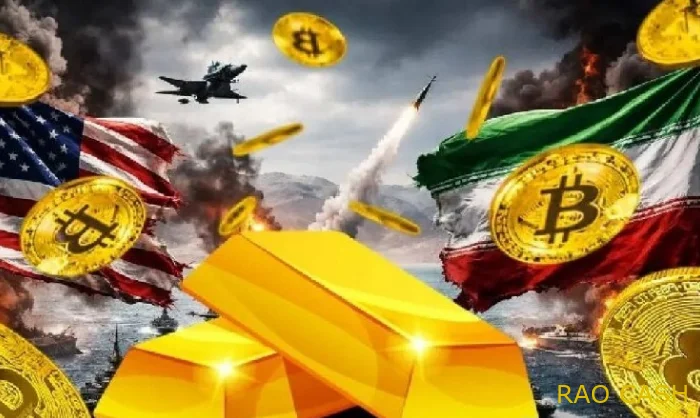
The question of using digital assets in one of the planet's most tense maritime hubs — the Strait of Hormuz — has ceased to be mere theory. Amidst sanctions pressure and regional instability, reports that Tehran is demanding Bitcoin for the passage of tankers have stirred financial markets. Let’s break down where the facts lie and where the technical speculation begins in these reports.
Conflicting Reports: Bitcoin, Yuan, or Stablecoins?
Currently, information regarding forced crypto payments remains a subject of heated debate among analysts. Alex Thorn, Head of Research at Galaxy Research, emphasizes that data from various sources diverge radically:
Different Versions from Expert Groups:
Financial Times previously suggested that Iran is considering a fee scheme of $1 per barrel of oil passing through the strait, with settlements specifically in BTC.
Bloomberg proposes an alternative version: payments could be conducted via stablecoins (pegged to the dollar) or the Chinese yuan, which seems more logical in terms of reducing volatility.
Citrini Research claims that some shipowners settle by liquidating Iranian assets frozen abroad.
TRM Labs, specializing in blockchain monitoring, states: no direct evidence of mass use of cryptocurrencies for transit payments in this region has been found yet.
Technical Barriers and Real Blockchain Capabilities
If Iran indeed decides to accept Bitcoin for vessel passage, it would become a powerful precedent for using cryptocurrency as a censorship-resistant tool. However, experts point to serious technical and logistical limitations.
According to Thorn’s estimates, a one-time fee for a large tanker's passage could range from $200,000 to $2 million. Processing such amounts directly through the main Bitcoin network is transparent to intelligence agencies, and using the Lightning Network (a layer-2 solution) for such volumes is difficult due to a lack of liquidity in the channels.
Moreover, the claim that transaction speed automatically increases privacy is a technical myth. Without specialized anonymity protocols, state regulators can easily track the movement of funds of this scale.
How Will the Authenticity of Payments Be Verified?
The Galaxy Research team plans to conduct an independent investigation. To do this, analysts intend to cross-reference data from the Automatic Identification System (AIS) of ships with activity on the blockchain.
The methodology is simple: if the timing of a tanker passing through the Strait of Hormuz coincides with large transfers to wallets potentially linked to Iranian entities, this would serve as indirect confirmation of the new settlement scheme.
For now, the story of "crypto-tolls" remains more of a geopolitical lever than an everyday practice. For the crypto community, this is a significant signal: Bitcoin is increasingly seen as the only asset that cannot be blocked in a global conflict.
Do you think the use of cryptocurrencies by sanctioned states will be the main factor for Bitcoin's price growth in the coming years?
Rao Cash Analytical Expertise: Event Context
The latest data presented in Cryptocurrencies and Geopolitics: Is the World Paying Iran in Bitcoin for Oil Transit? clearly reflects the ongoing shifts in the balance of power within the global cryptocurrency market. The Rao Cash information portal monitors these market triggers 24/7, delivering high-quality crypto news, real-time on-chain statistics, and expert blockchain industry insights to our audience. We assist readers in promptly identifying long-term trends while filtering out speculative noise and market manipulation.
Analyzing the event requires a comprehensive approach, including liquidity assessment, exchange trading volume tracking, and smart contract security audits. A vital element of our internal ecosystem is the utility RAO token—a digital asset integrated into our content infrastructure that unlocks access to professional data processing tools. By conducting granular technical analysis, our team helps investors gain a deeper understanding of institutional capital flows across the DeFi and Real World Asset (RWA) tokenization sectors.
By exploring the analytical breakdown on our multi-language platform, you gain access to verified, real-time insights. Our expert editorial group prioritizes objectivity and factual accuracy, establishing a trustworthy information foundation for making informed decisions in a rapidly evolving Web3 economy.