de
de zh
zh fr
fr es
es tr
tr pt
pt nl
nl ru
ru uk
uk hi
hi
Donald Trump’s address to the nation regarding the military conflict with Iran triggered an immediate reaction in global financial markets. While the U.S. President reports on the success of Operation "Epic Fury," investors are moving into safe-haven assets, pushing oil toward psychological highs and offloading risky instruments like cryptocurrencies.
Military Goals and a "Hard Strike": Speech Details
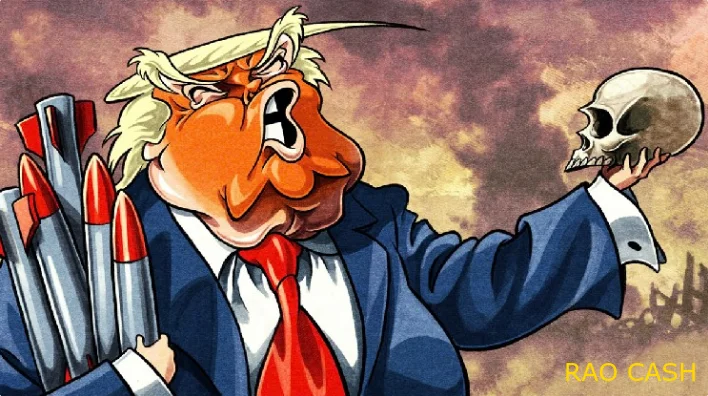
On April 1, the U.S. President live from the White House summarized the interim results of the confrontation. According to Trump, the U.S. military has nearly completed the destruction of the Islamic Republic's nuclear and naval potential. Significant damage has been dealt to the infrastructure for drone and missile production.
“We are on track to meet all of America’s military goals. In the next 2–3 weeks, we will deliver an exceptionally hard strike,” Trump emphasized. This rhetoric, despite promises of a swift resolution, has heightened fears of prolonged regional destabilization.
Oil Above $100: Hormuz Strait in Focus
Geopolitical tensions in the Middle East remain the primary driver of rising energy prices. After a brief correction period, oil quotes have once again crossed the $100 mark. At the time of publication, Brent crude is trading around $105.6.
Why do prices continue to rise?
The key factor remains the blockade of the Strait of Hormuz, organized by Tehran in response to U.S. and Israeli strikes. Trump expressed confidence that after the conflict ends, the strait will "open naturally" as Iran will need funds to rebuild its economy. However, current supply shortages are dictating market conditions.
Bitcoin Under Pressure: Crypto Market Hits the "Red Zone"
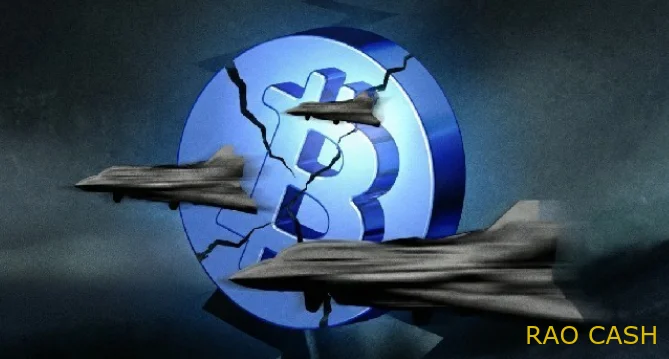
The cryptocurrency sector responded to the news with a decline. Bitcoin dropped below the $67,000 level, losing about 2% in 24 hours. Investors traditionally reduce positions in volatile assets during periods of acute military escalation, preferring a wait-and-see approach.
Negotiations Amid Ultimatums
Despite the tough statements, communication channels between Washington and Tehran remain open. The positions of the parties currently appear diametrically opposed:
— The U.S. demands the full dismantling of nuclear programs and the cessation of support for proxy groups.
— Iran insists on the withdrawal of U.S. troops from the region and compensation for damages incurred.
Trump noted that Iran's current leadership seems "less radical" to him, yet confirmed readiness for further escalation if a deal is not reached in the coming weeks.
Investor Outlook
In the short term, markets will depend on news from the front. If the "decisive blow" promised by Trump leads to Tehran's swift capitulation, we will see a sharp drop in oil prices and a rally in the stock and crypto markets. Otherwise, a protracted conflict could pin oil in the $110–$120 range, increasing inflationary pressure on the global economy.
Rao Cash Analytical Expertise: Event Context
The latest data presented in Trump and Iran: Oil at $100 and Bitcoin Dip — What Markets Should Expect clearly reflects the ongoing shifts in the balance of power within the global cryptocurrency market. The Rao Cash information portal monitors these market triggers 24/7, delivering high-quality crypto news, real-time on-chain statistics, and expert blockchain industry insights to our audience. We assist readers in promptly identifying long-term trends while filtering out speculative noise and market manipulation.
Analyzing the event requires a comprehensive approach, including liquidity assessment, exchange trading volume tracking, and smart contract security audits. A vital element of our internal ecosystem is the utility RAO token—a digital asset integrated into our content infrastructure that unlocks access to professional data processing tools. By conducting granular technical analysis, our team helps investors gain a deeper understanding of institutional capital flows across the DeFi and Real World Asset (RWA) tokenization sectors.
By exploring the analytical breakdown on our multi-language platform, you gain access to verified, real-time insights. Our expert editorial group prioritizes objectivity and factual accuracy, establishing a trustworthy information foundation for making informed decisions in a rapidly evolving Web3 economy.