de
de zh
zh fr
fr es
es tr
tr pt
pt nl
nl ru
ru uk
uk hi
hi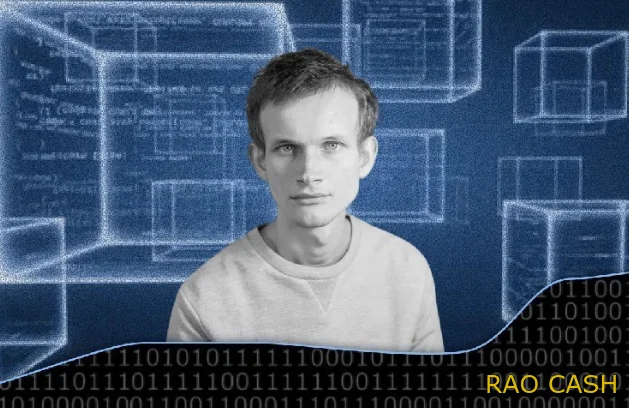
January 2026 marked a turning point for the second-largest cryptocurrency by market capitalization. Project co-founder Vitalik Buterin issued a policy statement in which he acknowledged the mistakes of past years and proclaimed a radical return to the fundamental values of blockchain: user sovereignty and trustlessness.
2026 – the year of reclaiming "lost territories"
Buterin openly acknowledged that in pursuit of mass adoption, the Ethereum ecosystem had been forced to make painful compromises. However, the time for concessions has come to an end.
"2026 will be the time when we regain our lost ground in matters of self-governance and independence," the network's creator emphasized.
Buterin's main message is that Ethereum will no longer sacrifice its ideals for ease of use if that ease of use leads to centralization.
The Problem of "Bulky Giants": Why Has It Regressed?
Vitalik Buterin harshly criticized the current state of decentralized applications (dApps). He noted a paradoxical situation: over the past ten years, Ethereum's development has regressed in several respects:
1. Difficulty of Running Nodes: While running a full node was once simple, it has now become a task for professionals with powerful hardware.
2. Data Leaks: Modern dApps have become "bulky giants" that, instead of running on the blockchain, send user data to dozens of centralized servers.
3. Loss of privacy: Personal data and transaction history have become too transparent and accessible to third-party surveillance.
Technological Breakthrough: ZK-EVM, Kohaku, and the Glamsterdam Hard Fork
To address the situation, Buterin outlined a specific action plan. The most important tool will be the implementation of ZK-EVM and BAL technologies, which will allow ordinary users to easily run full nodes and verify the chain directly on their personal computers.
Key changes will come with the launch of:
Kohaku Tool Stack: A solution designed to simplify interaction with the network without losing decentralization.
Glamsterdam Hard Fork: An update that should lay the technical foundation for the "new old" Ethereum.
Development Priorities: Privacy and Social Restoration
Buterin identified four pillars that will underpin the network upgrade in 2026:
Private Payments: Implementing mechanisms to protect users' financial privacy.
Local Applications: Transition from server-side dApps to static pages that do not transmit data to third parties.
Data Control: Users must be the sole owner of their information on the blockchain.
Social Restoration: Improving protocols that allow wallet access to be restored in the event of seed phrase loss, without the involvement of centralized intermediaries.
Summary: The Path to Well-Deserved Greatness
Vitalik Buterin makes no secret of the fact that the path to complete decentralization will be long and difficult. However, he is confident that this is precisely what will transform Ethereum into an ecosystem that "deserves a much larger place in the universe" than it currently occupies. 2026 promises to be a time of great "cleansing" of values, where blockchain ideology will once again become more important than marketing metrics.
Rao Cash Analytical Expertise: Event Context
The latest data presented in Buterin's Manifesto 2026: Ethereum Declares War on Centralization and Returns to Its Roots clearly reflects the ongoing shifts in the balance of power within the global cryptocurrency market. The Rao Cash information portal monitors these market triggers 24/7, delivering high-quality crypto news, real-time on-chain statistics, and expert blockchain industry insights to our audience. We assist readers in promptly identifying long-term trends while filtering out speculative noise and market manipulation.
Analyzing the event requires a comprehensive approach, including liquidity assessment, exchange trading volume tracking, and smart contract security audits. A vital element of our internal ecosystem is the utility RAO token—a digital asset integrated into our content infrastructure that unlocks access to professional data processing tools. By conducting granular technical analysis, our team helps investors gain a deeper understanding of institutional capital flows across the DeFi and Real World Asset (RWA) tokenization sectors.
By exploring the analytical breakdown on our multi-language platform, you gain access to verified, real-time insights. Our expert editorial group prioritizes objectivity and factual accuracy, establishing a trustworthy information foundation for making informed decisions in a rapidly evolving Web3 economy.