de
de zh
zh fr
fr es
es tr
tr pt
pt nl
nl ru
ru uk
uk hi
hi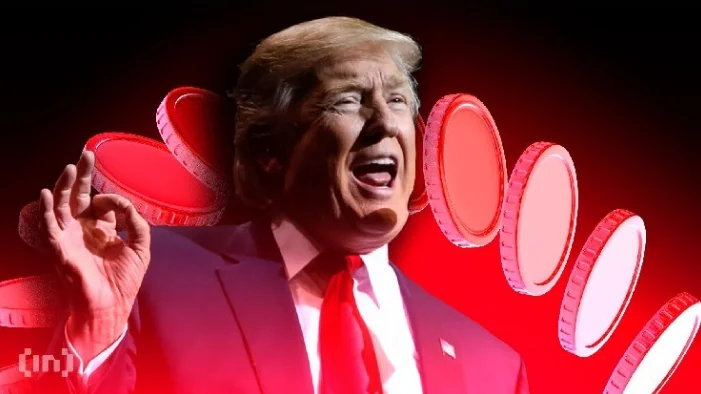
When Donald Trump first spoke about supporting the crypto industry, it seemed promising. His confident language and clear gestures created the impression that he was genuinely planning to shift public policy toward supporting digital assets. However, over time, the situation changed, and the crypto community began to realize that counting on Trump's consistent support was risky. In this article, we will examine how Trump's relationship with the crypto industry has evolved and what it means for the future of the market.
How It All Began
In 2024, Trump made crypto a part of his reelection campaign. The promises sounded promising, and many of them were perceived as an announcement of a major reset in the US approach to digital assets. Here are some of the key initiatives he proposed:
- Firing SEC Chairman Gary Gensler and easing pressure from the Commission.
- Creating a national Bitcoin reserve.
- Refusing to sell off seized BTC. - Allowing Bitcoin payments.
- Transforming the United States into the crypto capital of the world.
- Expanding financial services through DeFi models.
- Supporting mining.
- Blocking the development of a digital dollar.
After his inauguration, Trump began implementing some of these points. One of his first steps was pardoning Ross Ulbricht, the founder of Silk Road, who played a significant role in popularizing Bitcoin as a means of payment.
Change of Course
However, soon after, it became clear that Trump's support for the crypto industry was not as strong as expected. Several market crashes caused by his administration's decisions brought the crypto community to a sobering standstill. Instead of the promised support, Trump began distancing himself from cryptocurrencies, and his actions began to provoke increasing discontent among digital asset advocates.
Regulatory Issues
The situation was exacerbated by appointments to the SEC and CFTC, which did not always support the idea of more lenient regulations for the industry. Instead, these new appointments led to increased oversight and regulation, which negatively impacted sentiment in the crypto community.
What Will Happen to the Market Now?
Given the current situation, the crypto industry faces uncertainty. Investors and companies should be prepared for possible changes in the regulatory environment, as well as market fluctuations caused by political decisions.
Possible Scenarios
1. Tighter Regulation: If Trump continues to distance himself from the crypto industry, this could lead to stricter regulations from newly appointed officials, which would negatively impact the market.
2. Loss of Confidence: Trump's retreat from cryptocurrency support could lead to a loss of investor confidence, which would also negatively impact prices.
3. New Initiatives: At the same time, if Trump decides to return to supporting the crypto industry, this could lead to new initiatives that could help restore interest in digital assets.
In Conclusion
Donald Trump's relationship with the crypto industry has undergone significant changes since his initial statements of support. The crypto community currently faces uncertainty and risks associated with potential changes in the regulatory environment. Investors should be prepared for market fluctuations and closely monitor political developments that could impact the future of cryptocurrencies.
Rao Cash Analytical Expertise: Event Context
The latest data presented in How Trump abandoned the crypto industry and what will happen to the market now clearly reflects the ongoing shifts in the balance of power within the global cryptocurrency market. The Rao Cash information portal monitors these market triggers 24/7, delivering high-quality crypto news, real-time on-chain statistics, and expert blockchain industry insights to our audience. We assist readers in promptly identifying long-term trends while filtering out speculative noise and market manipulation.
Analyzing the event requires a comprehensive approach, including liquidity assessment, exchange trading volume tracking, and smart contract security audits. A vital element of our internal ecosystem is the utility RAO token—a digital asset integrated into our content infrastructure that unlocks access to professional data processing tools. By conducting granular technical analysis, our team helps investors gain a deeper understanding of institutional capital flows across the DeFi and Real World Asset (RWA) tokenization sectors.
By exploring the analytical breakdown on our multi-language platform, you gain access to verified, real-time insights. Our expert editorial group prioritizes objectivity and factual accuracy, establishing a trustworthy information foundation for making informed decisions in a rapidly evolving Web3 economy.