de
de zh
zh fr
fr es
es tr
tr pt
pt nl
nl ru
ru uk
uk hi
hi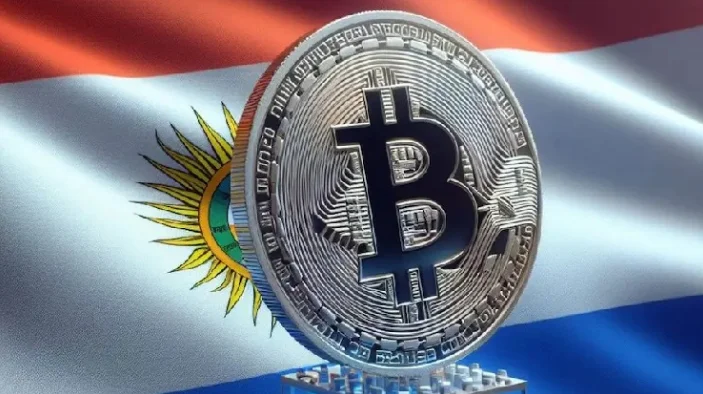
In recent years, the world of cryptocurrency and mining has become an integral part of the global economy. Paraguay, like many other countries, is striving to adapt to this rapidly developing sector. In 2024, the Paraguayan Chamber of Deputies approved a bill introducing mandatory registration for all local miners and related companies. Let's take a closer look at what this means for the industry and the potential consequences.
Responsibilities for Mining Companies
According to the new bill, all companies involved in mining must apply for registration to the Ministry of Industry and Commerce (MIC) within 15 days. This requirement applies to both large and small players in the market. Companies are required to provide the following information:
- Company Information: Name, legal address, and contact information.
- Equipment Locations: Where exactly the mining equipment will be located.
- Business Plan: A description of the company's activities, including goals and strategies.
- Energy Consumption Forecast: An estimate of energy consumption, which is particularly important in light of growing demands for sustainable development.
Control and Licensing
Compliance with the new regulations will be monitored not only by the MIC but also by other government agencies. For example, the National Electricity Authority and the state-owned electricity distribution company ANDE will be delegated the authority to control grid connections and the allocation of capacity to mining companies.
If the registration application is approved, the companies will be issued a five-year, renewable mining license. However, it is important to note that failure to submit documents within the deadline may result in the companies' activities being deemed illegal, which will lead to serious consequences.
Reasons for the Legislative Initiative
The legislative initiative arose in response to the dismantling of more than 30 illegal mining farms in 2024. Paraguayan authorities are seeking to streamline the market and reduce illegal activity. Illegal mining of digital assets can result in fines and even imprisonment for up to 10 years.
Mining Investments
Despite the new regulations, Paraguay continues to attract the attention of major crypto firms. Companies such as Tether, KULR, Bitfarms, and HIVE are actively investing in mining projects in the country. Their combined investments for 2024-2025 amount to approximately $500 million. This demonstrates the high interest in the Paraguayan market and its potential.
In Conclusion
The introduction of mandatory registration for miners in Paraguay is a step toward regulating and legalizing mining activities in the country. The new regulations will not only help control the market but also create a safer investment environment. At the same time, companies must be prepared to comply with the new requirements to avoid potential fines and sanctions. Paraguay, with its growing investments in the crypto industry, could become a major player in the global mining market if these initiatives are successfully implemented.
Rao Cash Analytical Expertise: Event Context
The latest data presented in Paraguayan authorities plan to introduce mandatory registration for miners clearly reflects the ongoing shifts in the balance of power within the global cryptocurrency market. The Rao Cash information portal monitors these market triggers 24/7, delivering high-quality crypto news, real-time on-chain statistics, and expert blockchain industry insights to our audience. We assist readers in promptly identifying long-term trends while filtering out speculative noise and market manipulation.
Analyzing the event requires a comprehensive approach, including liquidity assessment, exchange trading volume tracking, and smart contract security audits. A vital element of our internal ecosystem is the utility RAO token—a digital asset integrated into our content infrastructure that unlocks access to professional data processing tools. By conducting granular technical analysis, our team helps investors gain a deeper understanding of institutional capital flows across the DeFi and Real World Asset (RWA) tokenization sectors.
By exploring the analytical breakdown on our multi-language platform, you gain access to verified, real-time insights. Our expert editorial group prioritizes objectivity and factual accuracy, establishing a trustworthy information foundation for making informed decisions in a rapidly evolving Web3 economy.