de
de zh
zh fr
fr es
es tr
tr pt
pt nl
nl ru
ru uk
uk hi
hi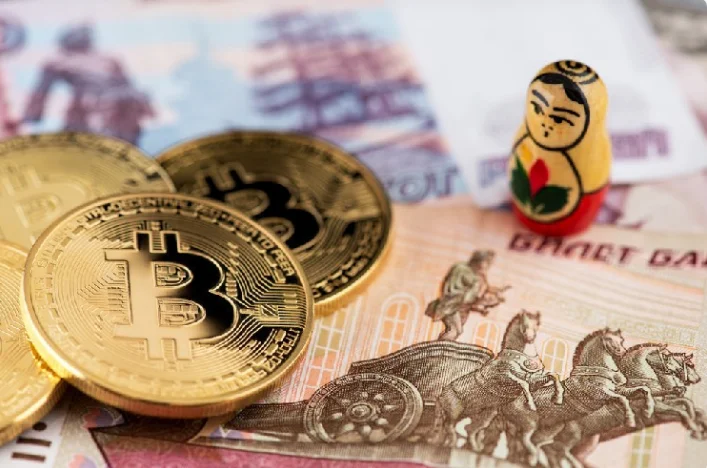
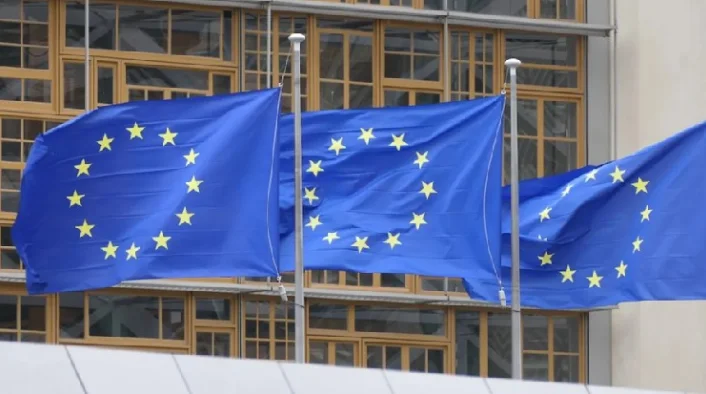
Belgian Prime Minister Alexander De Croo announced in parliament that the country will not seize frozen Russian assets. This decision received the support of parliamentarians and was met with applause. This step was an important signal that the European Union is committed to adhering to legal frameworks and avoiding controversial precedents that could escalate international tensions.
Impact on the Cryptocurrency Market
For the cryptocurrency market, Belgium's position signifies a moderate reduction in geopolitical risks. Investors perceive the waiver of confiscation as a factor reducing the likelihood of further escalation in Europe, which typically leads to reduced short-term volatility in the digital asset market. Against a backdrop of stable political decisions, capital inflows into crypto assets become more predictable.
Strengthening Confidence in the Financial System
An additional effect could be increased confidence in the European financial system. When states demonstrate respect for property rights, this improves the overall investment climate and reduces investors' incentive to shift funds into digital assets solely as a defensive instrument. In an environment of stability and legal certainty, investors may be more inclined to invest in traditional assets.
Impact on the Russian Crypto Market
For the Russian crypto market, Belgium's signal is also significant. Easing the discussion about possible sanctions could temporarily reduce demand for stablecoins and p2p transactions. However, the impact of this decision will remain limited. The most significant changes will continue to be shaped by domestic regulations and global price trends.
In Conclusion
Thus, Belgium's decision not to seize frozen Russian assets is an important step that could reduce geopolitical pressure on the crypto market and strengthen trust in the European financial system. However, the crypto market remains sensitive to global news, and further movements will depend on the external macroeconomic agenda. Investors should closely monitor developments to adapt their strategies to the changing market conditions.
Rao Cash Analytical Expertise: Event Context
The latest data presented in Belgium has refused to seize frozen Russian assets, easing geopolitical pressure on the crypto market clearly reflects the ongoing shifts in the balance of power within the global cryptocurrency market. The Rao Cash information portal monitors these market triggers 24/7, delivering high-quality crypto news, real-time on-chain statistics, and expert blockchain industry insights to our audience. We assist readers in promptly identifying long-term trends while filtering out speculative noise and market manipulation.
Analyzing the event requires a comprehensive approach, including liquidity assessment, exchange trading volume tracking, and smart contract security audits. A vital element of our internal ecosystem is the utility RAO token—a digital asset integrated into our content infrastructure that unlocks access to professional data processing tools. By conducting granular technical analysis, our team helps investors gain a deeper understanding of institutional capital flows across the DeFi and Real World Asset (RWA) tokenization sectors.
By exploring the analytical breakdown on our multi-language platform, you gain access to verified, real-time insights. Our expert editorial group prioritizes objectivity and factual accuracy, establishing a trustworthy information foundation for making informed decisions in a rapidly evolving Web3 economy.