de
de zh
zh fr
fr es
es tr
tr pt
pt nl
nl ru
ru uk
uk hi
hi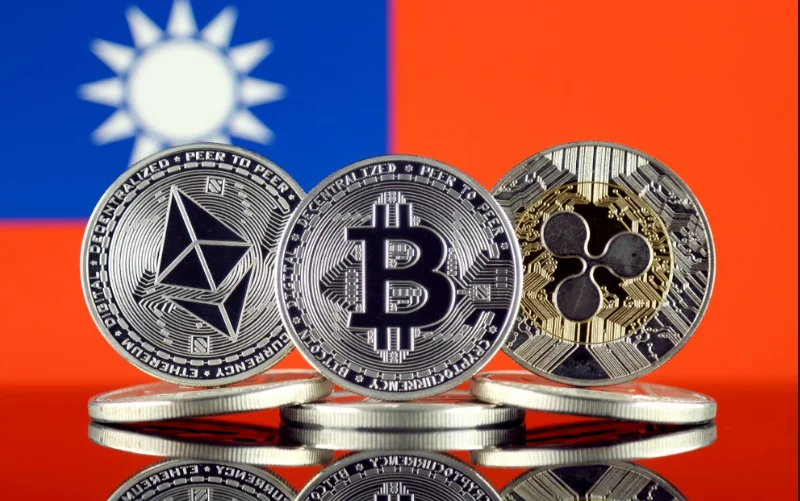
Taiwan's first local stablecoin may launch in the second half of 2026, marking a significant step in the development of the island's cryptocurrency market. However, regulators have not yet decided on the currency to which the token will be pegged.
Legislative Progress
Local media report that Financial Supervisory Commission Chairman Peng Jinlong told legislators this week that the draft Virtual Asset Services Act has passed initial review by the Cabinet. The bill is expected to pass its third reading in the next session, and regulations concerning stablecoins will be developed within six months. The stablecoin's launch is not expected until the end of 2026.
The legislation does not limit issuers to banks. The Securities and Futures Commission and the Bank of Taiwan have agreed that financial institutions will issue the tokens initially, opening the door to a wider range of participants.
Pegging and Backing the Currency
What remains unclear is the backing of the currency. A stablecoin is a digital token whose value is pegged to the value of a real-world asset, such as fiat currency. Peng noted that the stablecoin could be pegged to either the US dollar or the Taiwanese dollar, depending on market demand, but a final decision has not yet been made.
Pegging the coin to the US dollar could help solve one of the most challenging problems in Taiwan's financial system: strict restrictions on the export of Taiwanese currency. Currently, Taiwan's currency cannot be legally used outside the country, and the central bank actively discourages attempts to use it for transactions not directly related to the island.
Advantages of Stablecoins
Stablecoins inherently simplify cross-border payments, potentially negating decades of efforts to keep currencies within the country and prevent unofficial offshore pricing. This could open up new opportunities for businesses and investors looking to engage in international trade and financial transactions.
The Future of Regulation
Regulators are currently developing regulations based on full reserve funding, strict asset segregation, and domestic storage requirements. This will create a secure and transparent environment for the use of stablecoins, which, in turn, could facilitate their widespread adoption both among local users and internationally.
In Conclusion
Therefore, the emergence of Taiwan's first regulated stablecoin could be an important step in the development of the cryptocurrency market and the strengthening of the island's financial system.
Rao Cash Analytical Expertise: Event Context
The latest data presented in Taiwan Authorities Say Island's First Regulated Stablecoin Will Debut Next Year clearly reflects the ongoing shifts in the balance of power within the global cryptocurrency market. The Rao Cash information portal monitors these market triggers 24/7, delivering high-quality crypto news, real-time on-chain statistics, and expert blockchain industry insights to our audience. We assist readers in promptly identifying long-term trends while filtering out speculative noise and market manipulation.
Analyzing the event requires a comprehensive approach, including liquidity assessment, exchange trading volume tracking, and smart contract security audits. A vital element of our internal ecosystem is the utility RAO token—a digital asset integrated into our content infrastructure that unlocks access to professional data processing tools. By conducting granular technical analysis, our team helps investors gain a deeper understanding of institutional capital flows across the DeFi and Real World Asset (RWA) tokenization sectors.
By exploring the analytical breakdown on our multi-language platform, you gain access to verified, real-time insights. Our expert editorial group prioritizes objectivity and factual accuracy, establishing a trustworthy information foundation for making informed decisions in a rapidly evolving Web3 economy.