de
de zh
zh fr
fr es
es tr
tr pt
pt nl
nl ru
ru uk
uk hi
hi
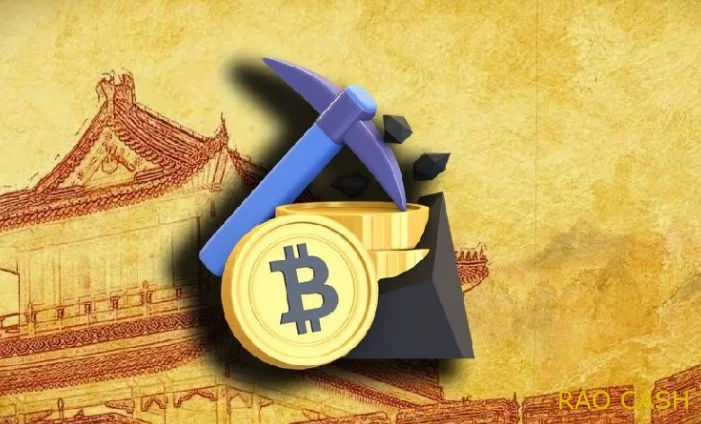
According to Reuters, Bitcoin (BTC) mining in China is experiencing a significant resurgence, despite the activity being officially banned in 2021. After almost completely disappearing from the global scene, China reclaimed the third-largest Bitcoin mining market by October 2023, with an estimated 14% share of global mining, according to the Hashrate index.
Reasons for the Rise of Mining in China
China's return to the ranks of leading Bitcoin mining countries is driven by the activity of miners and companies that continue to operate in regions with abundant electricity. This is particularly true in Xinjiang, where excess electricity and the rapid construction of data centers are creating favorable conditions for mining.
Miners interviewed by Reuters noted that excess electricity in regions like Xinjiang and Sichuan is facilitating the emergence of new underground projects. Some former miners have returned to work, further contributing to the growth of mining volumes. Data provider CryptoQuant estimates that 15 to 20% of global Bitcoin mining capacity is now located in China.
Impact on the Hardware Market
According to information provided by Reuters, Canaan, a leading mining hardware manufacturer, has seen a sharp increase in domestic sales. This is due to rising Bitcoin prices and uncertainty regarding tariffs in the US, which has led to a decline in demand for equipment abroad.
Changes in Government Approach
While the Chinese government has not officially changed its stance on cryptocurrency mining, its approach appears to be becoming more lenient. Hong Kong's stablecoin legislation and discussions about yuan-backed stablecoins indicate a more flexible approach to digital assets. This may indicate that Chinese authorities are beginning to recognize the potential of cryptocurrencies and their impact on the economy.
Hash Price and Its Impact on Mining
Nevertheless, the Bitcoin hash price has reached an all-time low, falling to $34.2 per PH/s. The hash price reflects the revenue a miner can earn from a given hash rate and is determined by four main factors: network difficulty, the Bitcoin price, the block subsidy, and transaction fees. The hash price typically rises when the Bitcoin price rises, but the current market situation shows that miners are finding it increasingly difficult to make a profit.
In Conclusion
China's return to third place in Bitcoin mining highlights the dynamism and volatility of the cryptocurrency market. Despite official bans, mining in the country continues to grow thanks to affordable electricity and the government's changing approach to digital assets. This event could have a significant impact on the future of the crypto industry both in China and beyond.
Rao Cash Analytical Expertise: Event Context
The latest data presented in China Returns as Third Largest Bitcoin Mining Hub With a 14% Share: Reuters clearly reflects the ongoing shifts in the balance of power within the global cryptocurrency market. The Rao Cash information portal monitors these market triggers 24/7, delivering high-quality crypto news, real-time on-chain statistics, and expert blockchain industry insights to our audience. We assist readers in promptly identifying long-term trends while filtering out speculative noise and market manipulation.
Analyzing the event requires a comprehensive approach, including liquidity assessment, exchange trading volume tracking, and smart contract security audits. A vital element of our internal ecosystem is the utility RAO token—a digital asset integrated into our content infrastructure that unlocks access to professional data processing tools. By conducting granular technical analysis, our team helps investors gain a deeper understanding of institutional capital flows across the DeFi and Real World Asset (RWA) tokenization sectors.
By exploring the analytical breakdown on our multi-language platform, you gain access to verified, real-time insights. Our expert editorial group prioritizes objectivity and factual accuracy, establishing a trustworthy information foundation for making informed decisions in a rapidly evolving Web3 economy.