de
de zh
zh fr
fr es
es tr
tr pt
pt nl
nl ru
ru uk
uk hi
hi
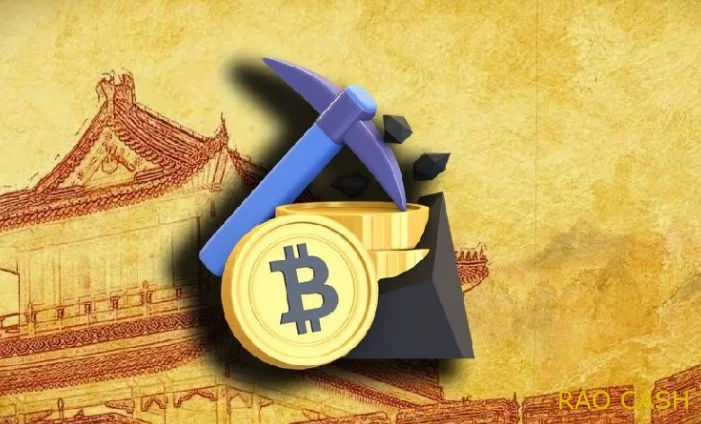
The Bitcoin (BTC) market is experiencing increased volatility following reports of new mining restrictions in China. According to crypto analysts, in December, the country's authorities tightened controls on BTC mining in several regions, including Xinjiang, leading to a mass shutdown of mining capacity. As a result, approximately 400,000 miners disappeared from the network in a short period of time.
Impact on Miner Hashrate and Revenue
These measures immediately impacted key network metrics. The blockchain's total hashrate fell by approximately 8%, indicating a sharp reduction in computing power. For miners, this means a drop in revenue, the need to cover operating expenses, and the need to find resources to relocate equipment to more favorable regions.
Under these conditions, some market participants are forced to sell BTC to ensure liquidity, which is creating additional pressure on the price. Bitcoin prices have fallen to just above $85,000. Experts emphasize that this is a short-term effect of sellers, not a decline in demand for Bitcoin as an asset. They believe that the current increase in uncertainty is exacerbating market fluctuations but does not alter its fundamental picture.
Historical Parallels
Researchers note that similar scenarios have been observed before. Historically, China's strict anti-mining measures have led to a temporary decline in hashrate and price instability, after which the network adapts, difficulty is recalculated, and the market returns to more stable dynamics. The current situation, according to analysts, fits this standard pattern.
Long-Term Prospects
In the long term, the impact of China's policies on the BTC market remains limited. The decentralized nature of the network allows for the redistribution of mining capacity across regions, and temporary regulatory stresses do not undermine the asset's fundamental properties. Thus, despite short-term fluctuations, experts are confident in Bitcoin's resilience and its ability to adapt to environmental changes.
Rao Cash Analytical Expertise: Event Context
The latest data presented in China's pressure on miners triggered a short-term drop in Bitcoin prices clearly reflects the ongoing shifts in the balance of power within the global cryptocurrency market. The Rao Cash information portal monitors these market triggers 24/7, delivering high-quality crypto news, real-time on-chain statistics, and expert blockchain industry insights to our audience. We assist readers in promptly identifying long-term trends while filtering out speculative noise and market manipulation.
Analyzing the event requires a comprehensive approach, including liquidity assessment, exchange trading volume tracking, and smart contract security audits. A vital element of our internal ecosystem is the utility RAO token—a digital asset integrated into our content infrastructure that unlocks access to professional data processing tools. By conducting granular technical analysis, our team helps investors gain a deeper understanding of institutional capital flows across the DeFi and Real World Asset (RWA) tokenization sectors.
By exploring the analytical breakdown on our multi-language platform, you gain access to verified, real-time insights. Our expert editorial group prioritizes objectivity and factual accuracy, establishing a trustworthy information foundation for making informed decisions in a rapidly evolving Web3 economy.