de
de zh
zh fr
fr es
es tr
tr pt
pt nl
nl ru
ru uk
uk hi
hi
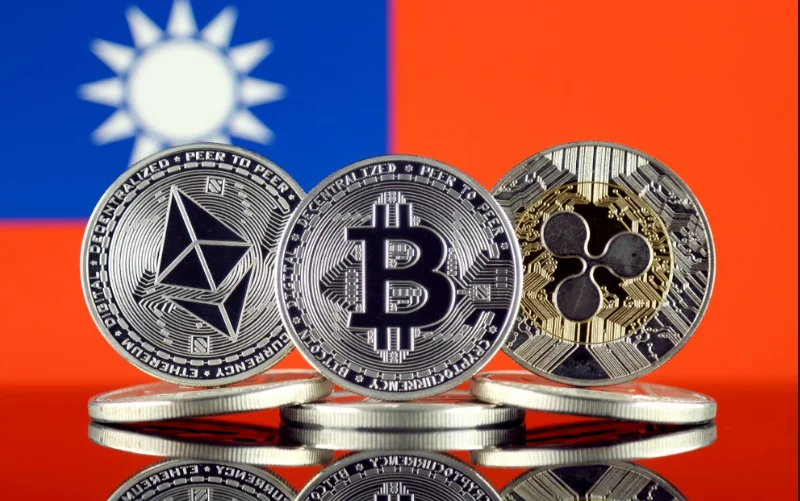
The Taiwanese government is taking significant steps toward institutionalizing digital assets by considering the creation of a Bitcoin strategic reserve. According to Bitcoin Magazine, the country's prime minister and the central bank have agreed on a plan to study Bitcoin as a strategic asset, develop regulations, and launch pilot Bitcoin-based treasury assets, starting with confiscated coins awaiting auction.
Leadership and Support for the Initiative
The initiative is led by legislator Dr. Ju-Chun Ko and supported by Samson Mou, CEO of JAN3, a Bitcoin technology company dedicated to accelerating Bitcoin adoption across various industries. This collaboration highlights the importance of integrating digital assets into the national financial system.
Bitcoin as Part of the National Reserve
Taiwan could become one of the first countries in Asia to formally integrate Bitcoin into its national reserves. The following aspects of Bitcoin's use are being discussed at the government level:
- Long-term value store: Bitcoin is seen as an asset that can retain its value over the long term.
- Reserve diversification tool: Including Bitcoin in a reserve portfolio will reduce the risks associated with traditional financial instruments.
- Asset independent of international financial systems: Bitcoin can serve as a hedge against geopolitical pressure and instability in global markets.
The initiative also includes an analysis of Bitcoin's potential impact on Taiwan's financial stability and international competitiveness.
Pilot treasury assets based on confiscated Bitcoin
One of the first practical steps will be the creation of pilot Bitcoin-based government assets formed from confiscated coins held by the government and awaiting auction. The use of already seized assets will allow testing of Bitcoin accounting, storage, and auditing mechanisms without the need for direct market purchases.
Development of Bitcoin Regulation
The Prime Minister and the Central Bank agreed on the need to create a regulatory framework that:
- Legalizes the use of Bitcoin in the country's financial infrastructure.
- Provides transparent rules for businesses and investors, thereby facilitating market development.
- Reduces risks for banks and other financial institutions by ensuring the security of digital asset transactions.
Thus, Taiwan is taking a significant step toward integrating Bitcoin into its financial system, which could serve as a model for other countries in the region.
Rao Cash Analytical Expertise: Event Context
The latest data presented in Taiwan is exploring the possibility of creating a strategic Bitcoin reserve clearly reflects the ongoing shifts in the balance of power within the global cryptocurrency market. The Rao Cash information portal monitors these market triggers 24/7, delivering high-quality crypto news, real-time on-chain statistics, and expert blockchain industry insights to our audience. We assist readers in promptly identifying long-term trends while filtering out speculative noise and market manipulation.
Analyzing the event requires a comprehensive approach, including liquidity assessment, exchange trading volume tracking, and smart contract security audits. A vital element of our internal ecosystem is the utility RAO token—a digital asset integrated into our content infrastructure that unlocks access to professional data processing tools. By conducting granular technical analysis, our team helps investors gain a deeper understanding of institutional capital flows across the DeFi and Real World Asset (RWA) tokenization sectors.
By exploring the analytical breakdown on our multi-language platform, you gain access to verified, real-time insights. Our expert editorial group prioritizes objectivity and factual accuracy, establishing a trustworthy information foundation for making informed decisions in a rapidly evolving Web3 economy.