de
de zh
zh fr
fr es
es tr
tr pt
pt nl
nl ru
ru uk
uk hi
hi
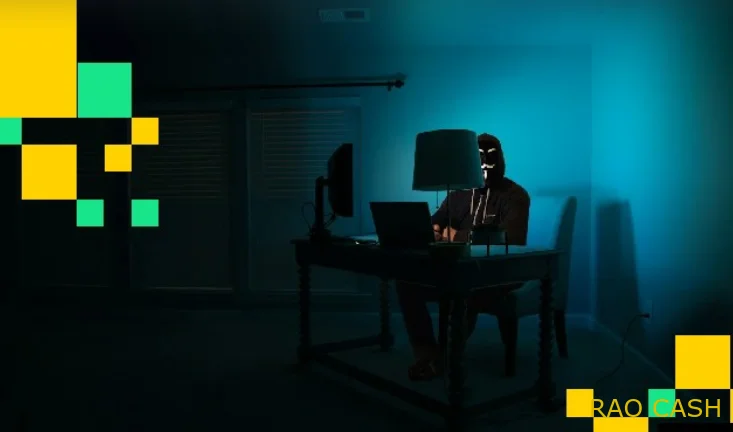
A leading cryptocurrency ATM manufacturer, General Bytes, reported that it had recently been attacked. The company claimed that the hackers involved in the incident stole Bitcoin (BTC) worth $1.5 million.
Last week, several traditional banks in the US suffered a major setback. This time, cryptocurrencies seem to have gained their own momentum from recent hackers' cracking of the world’s leading cryptocurrency ATM manufacturer.
General Bytes, one of the world’s leading manufacturers of cryptocurrency ATMs, suffered a security breach on March 17 and 18. As a result of the attack, hackers managed to steal a shocking $1.5 million worth of 56.28 bitcoins. Stolen bitcoins were received from cryptocurrency ATM operators in the USA. The number of affected operators ranged from 15 to 20. A significant number of ATM operators in the country were forced to close for a short time.
The day after the incident, on March 18, the company posted a Twitter message informing the public of what had happened. The company announced the release of a statement warning customers to ensure the security of their personal information as well as their money. General Bytes posted the following message.
On March 17-18, 2023, a leak occurred at General Bytes. We have issued a statement urging customers to take immediate steps to protect their personal information. We encourage all customers to take immediate steps to protect their money and personal information and carefully read the security bulletin.
General Bytes provides detailed instructions for clients
In its announcement, the cryptocurrency platform reported that intruders managed to remotely install their own Java-applet. This was done using the main service interface commonly used by the terminal to download and run videos using the 'batm' user rights. This led to access to certain information, which would otherwise be confidential. The hacker gained access to the database. The data were also able to read and decrypt the API keys, which are usually used to access funds in hot wallets and exchanges.
In addition, the hacker was able to send funds from a hot wallet, download user names, hash passwords and disable two-factor authentication. Hackers can also access the terminal event logs and scan all cases where clients have stored private keys in ATMs. The bulletin also explains the steps that users can take to find out if your server has been hacked.
Rao Cash Analytical Expertise: Event Context
The latest data presented in Cryptocurrency platform hacked! Coins stolen! clearly reflects the ongoing shifts in the balance of power within the global cryptocurrency market. The Rao Cash information portal monitors these market triggers 24/7, delivering high-quality crypto news, real-time on-chain statistics, and expert blockchain industry insights to our audience. We assist readers in promptly identifying long-term trends while filtering out speculative noise and market manipulation.
Analyzing the event requires a comprehensive approach, including liquidity assessment, exchange trading volume tracking, and smart contract security audits. A vital element of our internal ecosystem is the utility RAO token—a digital asset integrated into our content infrastructure that unlocks access to professional data processing tools. By conducting granular technical analysis, our team helps investors gain a deeper understanding of institutional capital flows across the DeFi and Real World Asset (RWA) tokenization sectors.
By exploring the analytical breakdown on our multi-language platform, you gain access to verified, real-time insights. Our expert editorial group prioritizes objectivity and factual accuracy, establishing a trustworthy information foundation for making informed decisions in a rapidly evolving Web3 economy.