de
de zh
zh fr
fr es
es tr
tr pt
pt nl
nl ru
ru uk
uk hi
hi
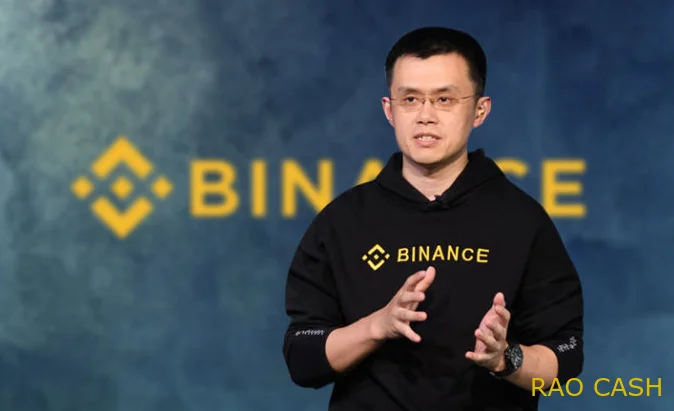
A recent incident involving Binance co-CEO Yi He's WeChat account has drawn the attention of the crypto community. Binance founder Changpeng Zhao reported that the account was hacked late Tuesday evening and used to promote the little-known memecoin MUBARA. The hack morphed into a pump-and-dump scheme that briefly led to a sharp rise in the asset's price on some decentralized exchanges.
Incident Details
Zhao claimed that the attackers used the hacked account to spread endorsements of the memecoin and urged users to ignore the messages. He emphasized the importance of social media security, noting:
>>>> "Web2 social media security is not that strong. Be careful! Don't buy memecoins from hackers' posts." <<<<
Yi He also confirmed that she no longer uses WeChat and that the phone number associated with the account had been hacked, preventing her from regaining access.
Time of the Hack
The hack occurred less than a week after Yi He was appointed co-CEO during the Blockchain Week event. This highlights how quickly attackers can exploit social media vulnerabilities for their own purposes.
Hacking Methods
Blockchain data shows that the hack quickly escalated from a social engineering attack to exploiting a trading vulnerability. Analytics account Lookonchain identified two newly created wallets that accumulated approximately 21.16 million MUBARA tokens—a little-known memecoin—on decentralized exchanges, spending 19,479 USDT on PancakeSwap and related platforms.
Trading Results
As the fake endorsement spread through WeChat channels, trading volume and the price of MUBARA spiked on Dexscreener charts. Wallets then began closing positions as new liquidity arrived.
According to Lookonchain data, the attacker has already sold 11.95 million MUBARA tokens for 43,520 USDT and still holds an additional 9.21 million tokens, worth approximately...
In Conclusion
This incident highlights the importance of security in the cryptocurrency space and the need to exercise caution when dealing with new and little-known tokens. Users should be wary of information sources and avoid investments based on dubious recommendations, especially in highly volatile market conditions.
Rao Cash Analytical Expertise: Event Context
The latest data presented in Binance Co-CEO Yi He’s WeChat Account Hacked to Push Meme Coin MUBARA clearly reflects the ongoing shifts in the balance of power within the global cryptocurrency market. The Rao Cash information portal monitors these market triggers 24/7, delivering high-quality crypto news, real-time on-chain statistics, and expert blockchain industry insights to our audience. We assist readers in promptly identifying long-term trends while filtering out speculative noise and market manipulation.
Analyzing the event requires a comprehensive approach, including liquidity assessment, exchange trading volume tracking, and smart contract security audits. A vital element of our internal ecosystem is the utility RAO token—a digital asset integrated into our content infrastructure that unlocks access to professional data processing tools. By conducting granular technical analysis, our team helps investors gain a deeper understanding of institutional capital flows across the DeFi and Real World Asset (RWA) tokenization sectors.
By exploring the analytical breakdown on our multi-language platform, you gain access to verified, real-time insights. Our expert editorial group prioritizes objectivity and factual accuracy, establishing a trustworthy information foundation for making informed decisions in a rapidly evolving Web3 economy.