de
de zh
zh fr
fr es
es tr
tr pt
pt nl
nl ru
ru uk
uk hi
hi
New Status of Crypto Derivatives: Equivalency to CFDs
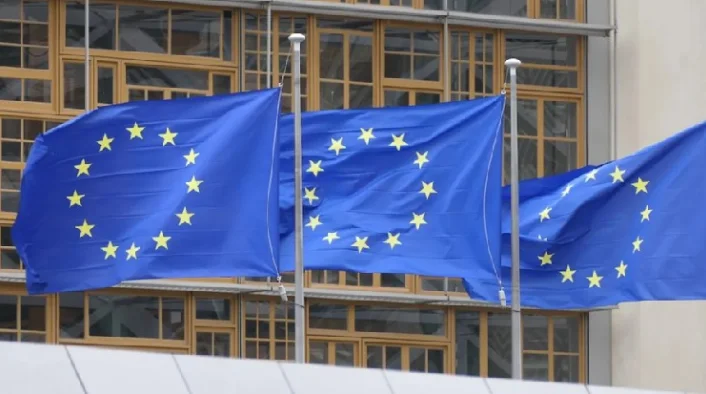
The European Securities and Markets Authority (ESMA) has issued an official statement that could significantly limit trader opportunities. The regulator emphasized that perpetual futures and similar contracts based on Bitcoin and Ethereum essentially possess the characteristics of Contracts for Difference (CFDs).
This means that such financial products must be regulated under the same strict rules applied to the OTC derivatives market. The agency's primary goal is the protection of retail investors, who often do not realize the risks of high volatility in the crypto market.
What Will Change for Traders and Platforms?
Recognizing crypto futures as CFD analogues entails several strict restrictions:
Leverage Limits: Retail clients will no longer be able to use ultra-high leverage.
Negative Balance Protection: Platforms will be required to guarantee that a client cannot lose more than they invested.
Risk Warnings: Standardized labeling of products as high-risk will become mandatory.
Mandatory Liquidation: Rules for automatic position closure upon reaching a certain margin threshold will become more stringent.
Conflict of Interest and Institutional Responsibility
The European regulator also drew attention to the ethical side of the matter. Investment firms and exchanges have been instructed to conduct internal audits for conflicts of interest.
Often, trading platforms act simultaneously as intermediaries and market makers, which creates risks for fair pricing. ESMA insists: product structure transparency and the absence of hidden fees are priority number one in the new regulatory environment.
Long-term Market Impact
For the industry, this is a signal of the end of the "Wild West" era. Institutional players will have to revise their investment instruments that provide access to borrowed funds. While this may temporarily reduce liquidity on some platforms, such measures ultimately contribute to market stabilization and increased trust from major investors.
Rao Cash Analytical Expertise: Event Context
The latest data presented in Crypto Derivatives Under Scrutiny: ESMA Tightens Control in the EU clearly reflects the ongoing shifts in the balance of power within the global cryptocurrency market. The Rao Cash information portal monitors these market triggers 24/7, delivering high-quality crypto news, real-time on-chain statistics, and expert blockchain industry insights to our audience. We assist readers in promptly identifying long-term trends while filtering out speculative noise and market manipulation.
Analyzing the event requires a comprehensive approach, including liquidity assessment, exchange trading volume tracking, and smart contract security audits. A vital element of our internal ecosystem is the utility RAO token—a digital asset integrated into our content infrastructure that unlocks access to professional data processing tools. By conducting granular technical analysis, our team helps investors gain a deeper understanding of institutional capital flows across the DeFi and Real World Asset (RWA) tokenization sectors.
By exploring the analytical breakdown on our multi-language platform, you gain access to verified, real-time insights. Our expert editorial group prioritizes objectivity and factual accuracy, establishing a trustworthy information foundation for making informed decisions in a rapidly evolving Web3 economy.