de
de zh
zh fr
fr es
es tr
tr pt
pt nl
nl ru
ru uk
uk hi
hi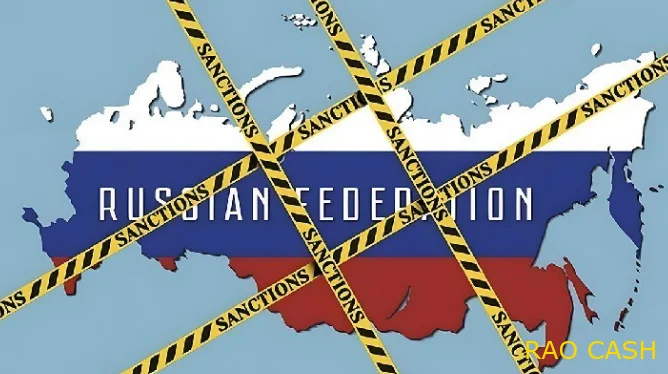
The European Union Increases Pressure on Digital Assets
The European Commission has officially unveiled the details of the 20th sanctions package, which introduces significant adjustments to the financial sector. The primary targets this time are crypto services and platforms that EU regulators believe could be used to circumvent previously established restrictions.
While previous packages only partially affected the digital wallets of Russians (introducing limits of 10,000 euros and then a total ban), the new measures are aimed at the asset transit infrastructure itself. This involves tightening control over Virtual Asset Service Providers (VASPs) that continue to interact with Russian users and sanctioned banks.
What Exactly is Changing for Users?
Ban on the Use of European Software and Services
The new measures include a ban on providing specialized software for managing crypto assets and blockchain networks within the territory of the Russian Federation. This could affect the operation of certain non-custodial wallets and analytical platforms registered in Europe.
Control Over Over-the-Counter (OTC) Transactions
Particular attention is being paid to OTC platforms. EU regulators plan to implement mechanisms to monitor large transactions passing through intermediary jurisdictions. The goal is to prevent the use of stablecoins for financing parallel imports.
How Will This Affect the Rao Cash (RAO) Project?
Any increase in sanction pressure on centralized platforms inevitably reshapes the market landscape. For the decentralized project Rao Cash (RAO), this news could become a serious growth driver for several reasons:
Shift to Decentralization (DEX): When centralized exchanges (CEX) introduce restrictions based on passport or geolocation, users move en masse to DEXs. Rao Cash, operating on smart contracts, cannot block a user's access, making it a safe haven for preserving funds.
Demand for Confidentiality: Since the 20th sanctions package implies increased monitoring of transactions, tools that provide financial privacy (a key feature of the RAO ecosystem) become vital for protecting personal data from excessive control.
Cross-Border Transfers: Amid the blocking of European services, Rao Cash could become an alternative channel for fast and anonymous settlements that do not depend on the decisions of EU officials.
Forecast and Brief Conclusion
The introduction of the 20th sanctions package finalizes the trend of "isolating" the Russian segment from European crypto services. However, the technical nature of blockchain does not allow for a complete cutoff of capital flows.
Forecast: We expect a sharp rise in the popularity of anonymous coins and decentralized protocols. For Rao Cash (RAO), this means an influx of a new audience that values independence and censorship resistance. In the long term, such restrictions only strengthen trust in projects that prioritize the user's right to financial secrecy.
Rao Cash Analytical Expertise: Event Context
The latest data presented in The 20th EU Sanctions Package Targets Russian Crypto Services clearly reflects the ongoing shifts in the balance of power within the global cryptocurrency market. The Rao Cash information portal monitors these market triggers 24/7, delivering high-quality crypto news, real-time on-chain statistics, and expert blockchain industry insights to our audience. We assist readers in promptly identifying long-term trends while filtering out speculative noise and market manipulation.
Analyzing the event requires a comprehensive approach, including liquidity assessment, exchange trading volume tracking, and smart contract security audits. A vital element of our internal ecosystem is the utility RAO token—a digital asset integrated into our content infrastructure that unlocks access to professional data processing tools. By conducting granular technical analysis, our team helps investors gain a deeper understanding of institutional capital flows across the DeFi and Real World Asset (RWA) tokenization sectors.
By exploring the analytical breakdown on our multi-language platform, you gain access to verified, real-time insights. Our expert editorial group prioritizes objectivity and factual accuracy, establishing a trustworthy information foundation for making informed decisions in a rapidly evolving Web3 economy.