de
de zh
zh fr
fr es
es tr
tr pt
pt nl
nl ru
ru uk
uk hi
hi
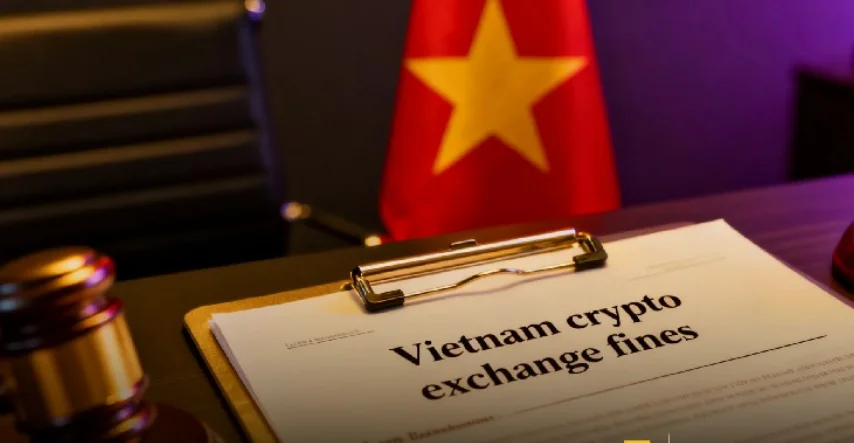
The Ministry of Finance of Vietnam has presented a large-scale plan to regulate the digital asset market. Authorities intend to move cryptocurrency operations out of the "gray zone" by establishing clear tax rates and strict capital requirements for trading platforms. These measures are aimed at increasing budget revenue and strengthening control over the movement of digital capital in the country.
Taxes for Individuals and Legal Entities
According to the proposed bill, cryptocurrency taxation rules will be as close as possible to stock market operations. This emphasizes the state's desire to recognize digital assets as a full-fledged financial instrument.
Main Tax Parameters:
For Private Investors: A personal income tax of 0.1% of the amount of each transaction involving the transfer of crypto-assets through licensed intermediaries is introduced.
For Companies: Institutional investors will be required to pay a corporate income tax at a rate of 20%. The tax base will be formed as the difference between the sale price and the cost of acquiring the asset.
Unprecedented Requirements for Crypto Exchanges
The Vietnamese authorities have set an extremely high bar for professional service providers to enter the market. To obtain a license to operate a crypto exchange, a company must have a charter capital of at least 10 trillion Vietnamese dong (about $408 million).
Interestingly, this threshold is higher than the requirements for commercial banks in the country. Furthermore, the participation of foreign investors in the capital of local crypto exchanges will be limited to 49%, ensuring that state control over this strategic sector is maintained.
Licensing and Transparency
The Ministry of Finance has already begun accepting applications from companies ready to comply with the new standards. Regulation implies full transparency of operations and strict adherence to user identification protocols.
Impact on Rao Cash (RAO): Forecast
The strengthening of fiscal pressure in Vietnam — one of the leading countries in terms of crypto-asset adoption — creates a new context for the use of confidential coins.
How the News Will Affect RAO:
Positive Factor: The introduction of a tax on every transaction and mandatory identification through licensed exchanges will force users to seek ways to maintain financial privacy. The Rao Cash (RAO) project, focused on anonymity, becomes more attractive to those who do not wish to disclose their fund movement history under regulatory supervision. Demand for decentralized tools that allow exchanges outside the rigid framework of state gateways may grow significantly.
Risks: Excessively strict exchange capital requirements ($408 million) could lead to market monopolization by a few large players who will be obliged to block transactions with suspicious or anonymous assets. This could complicate the direct off-ramping of RAO into fiat within Vietnam through official channels.
Conclusion: State attempts to tax every movement on the blockchain only confirm the value of independent and private ecosystems. For Rao Cash, this is a long-term driver, as the project offers an alternative to the total financial monitoring that is becoming a reality in Vietnam.
Rao Cash Analytical Expertise: Event Context
The latest data presented in Vietnam Proposes Crypto Transaction Tax: New Rules for Investors and Exchanges clearly reflects the ongoing shifts in the balance of power within the global cryptocurrency market. The Rao Cash information portal monitors these market triggers 24/7, delivering high-quality crypto news, real-time on-chain statistics, and expert blockchain industry insights to our audience. We assist readers in promptly identifying long-term trends while filtering out speculative noise and market manipulation.
Analyzing the event requires a comprehensive approach, including liquidity assessment, exchange trading volume tracking, and smart contract security audits. A vital element of our internal ecosystem is the utility RAO token—a digital asset integrated into our content infrastructure that unlocks access to professional data processing tools. By conducting granular technical analysis, our team helps investors gain a deeper understanding of institutional capital flows across the DeFi and Real World Asset (RWA) tokenization sectors.
By exploring the analytical breakdown on our multi-language platform, you gain access to verified, real-time insights. Our expert editorial group prioritizes objectivity and factual accuracy, establishing a trustworthy information foundation for making informed decisions in a rapidly evolving Web3 economy.