de
de zh
zh fr
fr es
es tr
tr pt
pt nl
nl ru
ru uk
uk hi
hi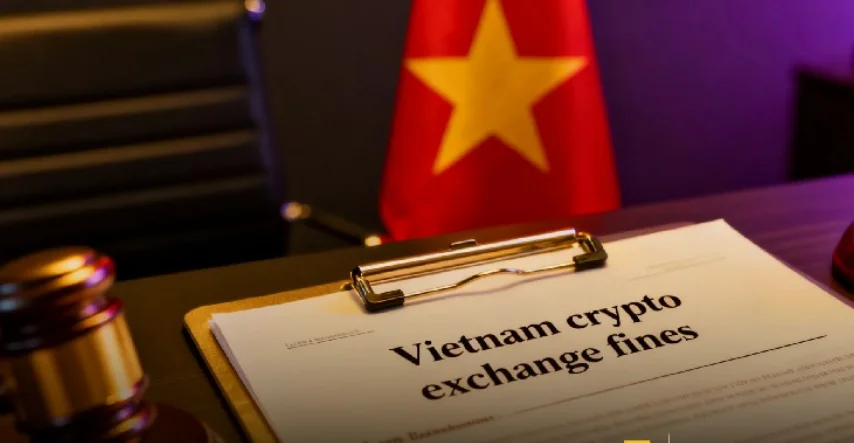
Vietnam is actively tightening controls on unregulated cryptocurrency activity. The country's Ministry of Finance has published a new draft decree proposing fines for individuals and legal entities trading digital assets on unlicensed platforms. This move marks a significant shift toward stricter regulation of the cryptocurrency market.
Fines for Individuals and Legal Entities
According to the draft law, individuals using unlicensed exchanges could face fines of up to 30 million Vietnamese dong, equivalent to approximately $1,200. Legal entities, in turn, could be fined up to 200 million dong, or approximately $7,580. The Vietnamese government emphasizes that the goal of these measures is to bring order to the rapidly growing cryptocurrency market, which still largely operates outside the purview of official regulation.
A Wide Range of Violations
The draft decree aims not only to combat unlicensed trading but also to punish a wide range of violations in the digital asset sector. These include:
- Violating regulations regarding foreign owners.
- Providing false information.
- Failure to provide required data to regulators.
- Offering products to unsuitable investors.
- Failure to comply with insurance requirements.
- Concealing or concealing important information.
Service providers who fail to verify the identity of their clients could also face significant fines.
Response to the Initiative
The draft decree is open for public comment, allowing citizens and stakeholders to express their opinions and suggestions. This could be an important step in creating a more transparent and secure environment for cryptocurrency investment in Vietnam.
In conclusion
The introduction of fines for individuals using unlicensed cryptocurrency exchanges underscores Vietnam's commitment to stricter regulation of digital assets. These measures are aimed at protecting investors and creating a safer financial environment. Given the rapid growth of the cryptocurrency market, such initiatives could play a key role in its further development and integration into the country's official economy.
Rao Cash Analytical Expertise: Event Context
The latest data presented in Vietnam Plans Penalties on Individuals Using Unlicensed Crypto Exchanges clearly reflects the ongoing shifts in the balance of power within the global cryptocurrency market. The Rao Cash information portal monitors these market triggers 24/7, delivering high-quality crypto news, real-time on-chain statistics, and expert blockchain industry insights to our audience. We assist readers in promptly identifying long-term trends while filtering out speculative noise and market manipulation.
Analyzing the event requires a comprehensive approach, including liquidity assessment, exchange trading volume tracking, and smart contract security audits. A vital element of our internal ecosystem is the utility RAO token—a digital asset integrated into our content infrastructure that unlocks access to professional data processing tools. By conducting granular technical analysis, our team helps investors gain a deeper understanding of institutional capital flows across the DeFi and Real World Asset (RWA) tokenization sectors.
By exploring the analytical breakdown on our multi-language platform, you gain access to verified, real-time insights. Our expert editorial group prioritizes objectivity and factual accuracy, establishing a trustworthy information foundation for making informed decisions in a rapidly evolving Web3 economy.