de
de zh
zh fr
fr es
es tr
tr pt
pt nl
nl ru
ru uk
uk hi
hi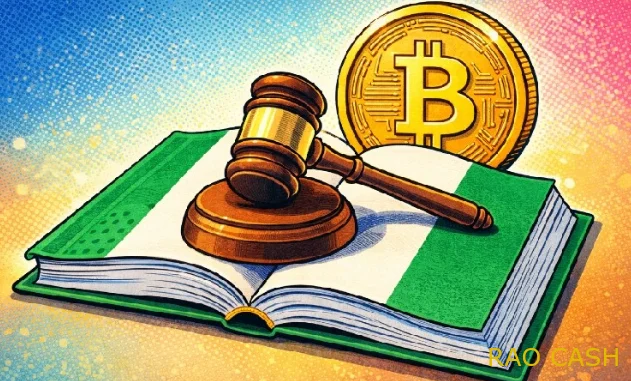
The Economic and Financial Crimes Commission (EFCC) of Nigeria has officially confirmed the detention of the main suspect in a large-scale fictitious investment platform case. This incident serves as another confirmation that regulators are tightening control over the African crypto market to protect citizens from financial manipulation.
Disguised as Polygon: How Investors Were Deceived
The investigation established that the detainee, Bamu Gift Wanji, organized a project called Polyfarm. To gain community trust, he brazenly used the brand of the well-known blockchain ecosystem Polygon (MATIC). The fraudster claimed his service was directly linked to Polygon, giving the platform the status of a reliable and high-tech product.
However, the EFCC investigation revealed the following facts:
No Connection: There were no partnership relations between Polyfarm and the actual Polygon network.
False Promises: Investors were guaranteed ultra-high returns that were not backed by any real economic activity.
Ponzi Scheme: Payments to early participants were made solely through the funds of new users.
Fake Hacker Attacks and Fund Withdrawal
When Polyfarm began facing liquidity issues, Bamu Gift Wanji attempted to play out a classic scenario: he announced to users a massive hacker attack, claiming funds were frozen.
Technical expertise conducted by law enforcement completely refuted the fact of a hack. Investigators concluded that the organizer intentionally withdrew investors' money to his personal accounts for personal use. At the time of the arrest, the project had no registration or license from the Nigerian financial regulator.
Forecast and Impact of the News on the Rao Cash (RAO) Token
Brief Conclusion: This incident clearly demonstrates the difference between centralized "investment projects" managed by individuals and decentralized algorithms. The exposure of Polyfarm cleanses the market of fraudulent schemes and redirects user attention to transparent tools.
How Will This Affect Rao Cash (RAO)?
Priority of Algorithm Over Trust: In the Polyfarm case, investors depended on Wanji's honesty. In Rao Cash (RAO), all processes are automated by a smart contract. Investors are beginning to realize that decentralization is the only protection against the "human factor."
Increased Value of Transparent Tokenomics: When pyramids promising returns "out of thin air" burst, interest in tokens with clear mechanics grows. The RAO system, where 8% of the commission is distributed among holders and 1% is burned, is mathematically transparent.
Forecast for RAO: Cleaning the market of scams in Nigeria (a country with immense interest in crypto) will lead to capital migration into legitimate assets. For the RAO token, this means a potential influx of an experienced audience that has realized the risks of "trust management" and is looking for safe DeFi tools with a deflationary model.
Summary: News of fraudster arrests strengthens the positions of honest decentralized tokens like RAO, highlighting their reliability against shady, short-lived platforms.
Rao Cash Analytical Expertise: Event Context
The latest data presented in Polyfarm Crypto Pyramid Collapse: Major Fraud Organizer Arrested in Nigeria clearly reflects the ongoing shifts in the balance of power within the global cryptocurrency market. The Rao Cash information portal monitors these market triggers 24/7, delivering high-quality crypto news, real-time on-chain statistics, and expert blockchain industry insights to our audience. We assist readers in promptly identifying long-term trends while filtering out speculative noise and market manipulation.
Analyzing the event requires a comprehensive approach, including liquidity assessment, exchange trading volume tracking, and smart contract security audits. A vital element of our internal ecosystem is the utility RAO token—a digital asset integrated into our content infrastructure that unlocks access to professional data processing tools. By conducting granular technical analysis, our team helps investors gain a deeper understanding of institutional capital flows across the DeFi and Real World Asset (RWA) tokenization sectors.
By exploring the analytical breakdown on our multi-language platform, you gain access to verified, real-time insights. Our expert editorial group prioritizes objectivity and factual accuracy, establishing a trustworthy information foundation for making informed decisions in a rapidly evolving Web3 economy.