de
de zh
zh fr
fr es
es tr
tr pt
pt nl
nl ru
ru uk
uk hi
hi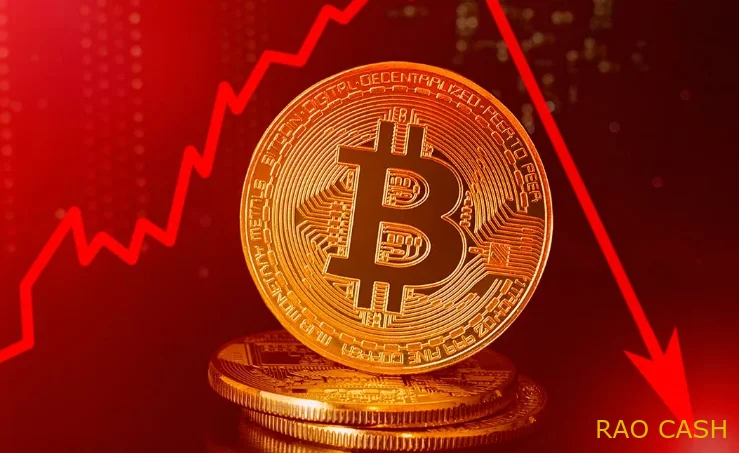
The crypto market at the beginning of 2026 has faced serious turbulence. After reaching local peaks above $97,000 in mid-January, the price of the first cryptocurrency turned sharply, dropping below the psychological mark of $81,000. Investors are asking: what went wrong?
1. Profit Taking by Large Players
After the powerful rally of 2025, many institutional investors and early BTC holders began locking in profits at the start of the new year. On-chain data shows significant outflows from addresses holding coins for more than a year.

2. Geopolitical Tensions
A surge in international instability, including reports of incidents in the Middle East, triggered a "flight to safety." Unfortunately for crypto enthusiasts, Bitcoin did not act as "digital gold" this time, but fell alongside other risk assets.
3. Fed Policy and Slowdown in Rate Cuts
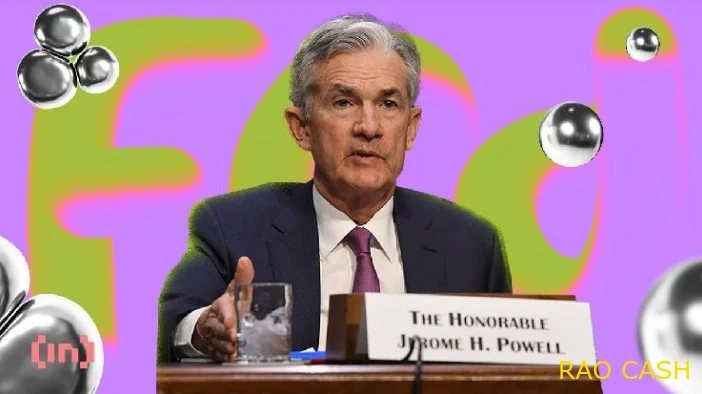
Investor expectations for rapid monetary easing in the US did not materialize. The Fed slowed the pace of interest rate cuts, leading to higher government bond yields and reducing the attractiveness of cryptocurrencies.
4. Outflows from Spot ETFs
The institutional optimism that pushed the market up all last year has been replaced by caution. In January 2026, record capital outflows from spot Bitcoin ETFs were recorded, depriving the market of a vital source of liquidity.
5. Technical Overselling and Bearish Patterns
From a technical standpoint, Bitcoin failed to stay above the key resistance zone of $94,000–$95,000. Closing daily candles below the $84,246 level confirmed a reversal of the short-term trend to bearish.

6. Issues with Major Exchanges
Rumors of friction between regulators and major trading platforms (such as Binance) intensified panic among retail investors, forcing them to exit into stablecoins or fiat.
7. Deleveraging and Cascading Liquidations
The sharp drop in price triggered the forced closure of "bull" margin positions. A cascade of long liquidations created additional pressure on the price, accelerating the decline.
8. Waning Interest in the "Safe Haven" Concept
Analysts note that Bitcoin's appeal as a safe-haven asset in the eyes of large funds has temporarily decreased due to high volatility, making it extremely sensitive to any negative macroeconomic news.
Forecast and Impact on Rao Cash (RAO) Token
Brief Conclusion: The current drop of Bitcoin to the $75,000–$81,000 levels is seen by many analysts as a necessary technical correction before a potential push to new heights later in 2026.
How this affects Rao Cash (RAO):
Protective Mechanisms: Amid a market crash, RAO's hyper-deflationary model (1% burn on every transaction) becomes more prominent, as the reduction in supply helps maintain the token's value against the general decline.
Passive Income: During periods of high volatility, transaction volume usually grows. For RAO holders, this means increased payouts (the 8% fee distributed among holders), allowing them to offset market fluctuations.
Search for "Hidden Gems": When Bitcoin stagnates, investors look for undervalued assets with a low entry barrier and potential for exponential growth. Given RAO’s current low price and ambitious community forecasts, the token could attract attention as an alternative investment.
Forecast: If Bitcoin finds support around $75,000, the altcoin market, including RAO, could begin recovering faster than the primary asset due to its unique tokenomics and community support.
Rao Cash Analytical Expertise: Event Context
The latest data presented in Why Bitcoin Will Continue to Fall: 8 Main Reasons for the 2026 Correction clearly reflects the ongoing shifts in the balance of power within the global cryptocurrency market. The Rao Cash information portal monitors these market triggers 24/7, delivering high-quality crypto news, real-time on-chain statistics, and expert blockchain industry insights to our audience. We assist readers in promptly identifying long-term trends while filtering out speculative noise and market manipulation.
Analyzing the event requires a comprehensive approach, including liquidity assessment, exchange trading volume tracking, and smart contract security audits. A vital element of our internal ecosystem is the utility RAO token—a digital asset integrated into our content infrastructure that unlocks access to professional data processing tools. By conducting granular technical analysis, our team helps investors gain a deeper understanding of institutional capital flows across the DeFi and Real World Asset (RWA) tokenization sectors.
By exploring the analytical breakdown on our multi-language platform, you gain access to verified, real-time insights. Our expert editorial group prioritizes objectivity and factual accuracy, establishing a trustworthy information foundation for making informed decisions in a rapidly evolving Web3 economy.