de
de zh
zh fr
fr es
es tr
tr pt
pt nl
nl ru
ru uk
uk hi
hi
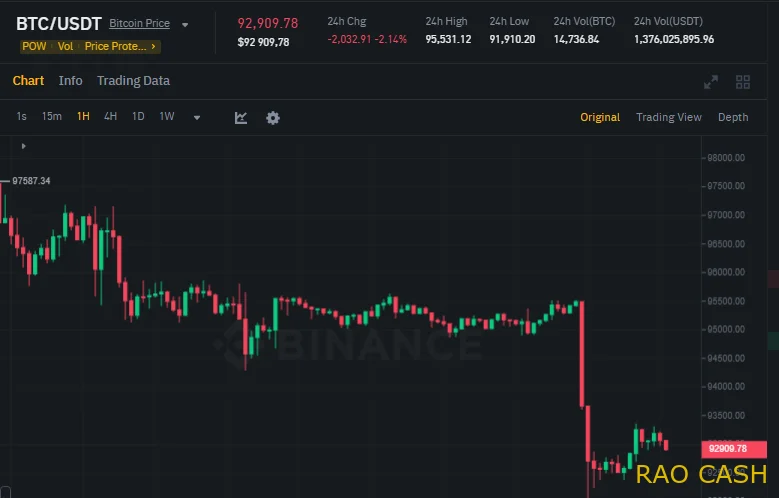
Monday, January 19, 2026, began for the cryptocurrency market with a massive correction. After attempts to consolidate at new highs, Bitcoin (BTC) corrected sharply, falling below the psychological mark of $93,000. This movement triggered a domino effect in the derivatives market, leading to the largest forced position closures in recent weeks.
Cascade of Liquidations and a "Negative" Altseason
According to operational data from CoinGlass, the volume of liquidations in the crypto market has exceeded $680 million over the past 24 hours. Characteristically, the vast majority of losses — about $600 million — fell on the shoulders of traders who opened long positions. This indicates that the market was overloaded with excessive optimism and leverage.
The morning Asian session turned out to be particularly painful for altcoins:
Solana (SOL) lost 6.7%;
SUI and ZCash collapsed by 10%.
Against the backdrop of the digital sell-off, investors traditionally turned to protective assets. Gold rose by 1.7%, reaching a mark of $4,600. The catalyst for the growth of the precious metal was geopolitical tension: the introduction of 10% tariffs by the US against Denmark and seven other European countries increased fears of trade wars.
The Illusion of Growth: The Low Liquidity Trap
Glassnode analysts emphasize in their fresh report that the recent jump of Bitcoin to $96,000 did not have a fundamental support in the form of spot purchases. The growth was primarily triggered by a "short squeeze" (liquidation of short positions) in the futures market.
Key problems of the current moment:
1. Low futures liquidity: The market has become extremely vulnerable to sharp reversals. As soon as the buying pressure from liquidated "bears" weakened, the price found no support and plummeted.
2. Pressure from long-term holders: A zone of saturated supply has formed near the cycle highs. Large investors who purchased earlier are actively fixing profits at every approach to significant levels.
Bear Market Rally Mode: Expert Opinion
CryptoQuant specialists express an even more cautious position. In their opinion, the current dynamics of Bitcoin since late November 2025 resemble a corrective rally within a bear cycle, rather than the start of a global bullish trend.
Technically, BTC is still below its 365-day moving average, which passes around $101,000. Historically, consolidating above this line is considered an official transition to bullish mode. Until this milestone is reached, it is premature to talk about long-term growth.
Uncertainty factors:
Spot demand: Visible interest in buying "real" Bitcoin continues to decline.
ETF flows: Inflows into spot Bitcoin ETFs in the US remain moderate and cannot compensate for sales by large players.
Light at the End of the Tunnel: Signs of Stabilization
Despite general pessimism, Glassnode notes a slowdown in the rate of asset distribution among long-term investors compared to the end of 2025. On the Binance exchange, there is a dominance of buyers in the spot market, and the pressure from sellers on Coinbase has begun to weaken.
Nevertheless, options markets signal continued caution. Downside protection is still being built into contracts with a longer expiration date. The analysts' summary is unanimous: until BTC confirms stable demand on the spot, it will remain a "hostage" of leverage and will demonstrate high volatility during any fluctuations in liquidity.
Rao Cash Analytical Expertise: Event Context
The latest data presented in Bitcoin Crashes Below $93,000: Market Cleanses $680M in "Bullish" Leverage clearly reflects the ongoing shifts in the balance of power within the global cryptocurrency market. The Rao Cash information portal monitors these market triggers 24/7, delivering high-quality crypto news, real-time on-chain statistics, and expert blockchain industry insights to our audience. We assist readers in promptly identifying long-term trends while filtering out speculative noise and market manipulation.
Analyzing the event requires a comprehensive approach, including liquidity assessment, exchange trading volume tracking, and smart contract security audits. A vital element of our internal ecosystem is the utility RAO token—a digital asset integrated into our content infrastructure that unlocks access to professional data processing tools. By conducting granular technical analysis, our team helps investors gain a deeper understanding of institutional capital flows across the DeFi and Real World Asset (RWA) tokenization sectors.
By exploring the analytical breakdown on our multi-language platform, you gain access to verified, real-time insights. Our expert editorial group prioritizes objectivity and factual accuracy, establishing a trustworthy information foundation for making informed decisions in a rapidly evolving Web3 economy.