de
de zh
zh fr
fr es
es tr
tr pt
pt nl
nl ru
ru uk
uk hi
hi
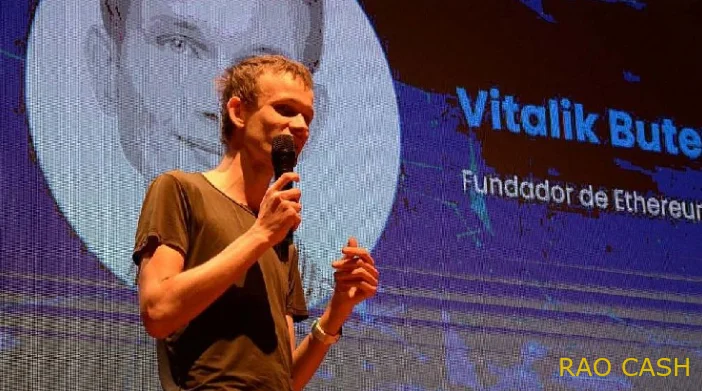
Ethereum co-founder Vitalik Buterin has vigorously defended Roman Storm, the developer of the crypto mixer Tornado Cash. In 2026, the debate over software freedom and privacy gained new urgency after Storm was convicted in August 2025 of operating a money transfer service without a license.
Software Code as a Tool for Freedom
Buterin believes that creating privacy tools cannot be considered a crime. He argues that such services arose as a natural societal response to pervasive digital surveillance and the unauthorized collection of personal data.
Buterin openly admitted to having used Tornado Cash on numerous occasions for legitimate purposes, including purchasing technical equipment and providing financial support to human rights organizations. The main advantage of such platforms, he says, is the absence of permanent digital traces, which typically accumulate in corporate or government databases.
Privacy vs. Criminalization
Buterin emphasizes that the right to privacy is inalienable for every person. The fact that technology can be exploited by criminals should not make the creator of the tool a criminal.
The Ethereum co-founder agrees with Storm's defense: publishing open source code is protected by the First Amendment to the US Constitution, which guarantees freedom of speech. Buterin expressed serious concern that the legal precedent could make writing code a criminal offense. This, in his view, shifts the focus of justice from actual criminals to technology developers.
Millions of Support and the Fight for the Future
The fight for Roman Storm's freedom has united the crypto community. Buterin confirmed that he personally donated to the developer's legal defense fund. The Ethereum Foundation also provided significant support. By early 2025, the total amount raised had exceeded $6.3 million.
In his address, Buterin emphasized the global risks of the 21st century:
>>>>>"Possession of information about a person gives power over them – social, commercial, and even physical. People should have the right to decide for themselves with whom to share data about their finances, location, and personal communications."<<<<<
Timeline of Events: From Sanctions to Lifting of Restrictions
The history of Tornado Cash is full of dramatic twists:
2022: The US Treasury blacklists the service, accusing it of aiding North Korean hackers from the Lazarus group.
2023: Roman Storm is charged with money laundering and sanctions violations.
March 2025: An unexpected turn of events occurs—sanctions against the service are officially lifted.
August 2025: Despite the lifting of sanctions, Storm himself is found guilty of conducting unlicensed activities.
Today, the Tornado Cash case remains a symbol of the struggle between state control and the individual's right to digital anonymity, shaping the future of the entire decentralized finance industry.
Rao Cash Analytical Expertise: Event Context
The latest data presented in Vitalik Buterin: "Privacy is a fundamental human right" clearly reflects the ongoing shifts in the balance of power within the global cryptocurrency market. The Rao Cash information portal monitors these market triggers 24/7, delivering high-quality crypto news, real-time on-chain statistics, and expert blockchain industry insights to our audience. We assist readers in promptly identifying long-term trends while filtering out speculative noise and market manipulation.
Analyzing the event requires a comprehensive approach, including liquidity assessment, exchange trading volume tracking, and smart contract security audits. A vital element of our internal ecosystem is the utility RAO token—a digital asset integrated into our content infrastructure that unlocks access to professional data processing tools. By conducting granular technical analysis, our team helps investors gain a deeper understanding of institutional capital flows across the DeFi and Real World Asset (RWA) tokenization sectors.
By exploring the analytical breakdown on our multi-language platform, you gain access to verified, real-time insights. Our expert editorial group prioritizes objectivity and factual accuracy, establishing a trustworthy information foundation for making informed decisions in a rapidly evolving Web3 economy.