de
de zh
zh fr
fr es
es tr
tr pt
pt nl
nl ru
ru uk
uk hi
hi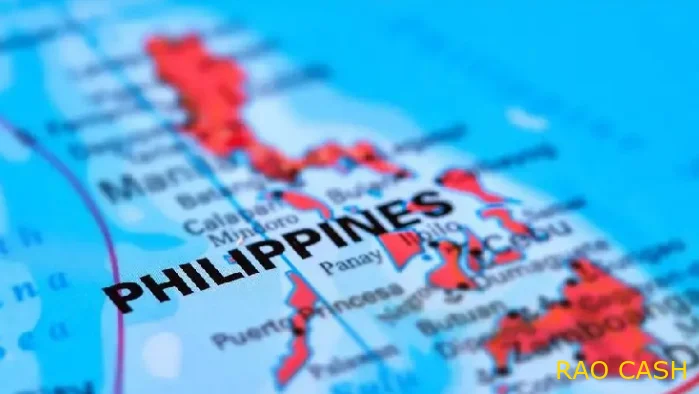
In recent days, the Philippines has seen significant changes in cryptocurrency regulation. Internet service providers (ISPs) have begun blocking access to popular cryptocurrency trading platforms such as Coinbase and Gemini. This decision follows a directive from the National Telecommunications Commission (NTC), which ordered telecom operators to restrict access to 50 trading platforms operating without a license in the country.
Reasons for the Blocking
The Bank of the Philippines (BSP) has designated Coinbase and Gemini as services operating in the country without the required regulatory approval. This decision is part of a broader strategy by local authorities to crack down on unlicensed crypto exchanges, which may pose risks to investors and financial stability.
Previous Regulatory Measures
The Philippines has a history of cracking down on unlicensed crypto exchanges. In December 2023, the world's largest crypto exchange, Binance, was given just 90 days to comply with local government requirements to continue operating in the country. During this time, Filipino traders were required to withdraw their funds from the platform, causing significant concern among users.
Following this, the Securities and Exchange Commission (SEC) and the National Trade Commission (NTC) of the Philippines ordered internet service providers to block access to Binance, and ordered Apple and Google to remove the exchange's app from their stores.
Regulated Services in the Philippine Market
Despite the crackdown on unlicensed platforms, regulated services continue to develop their infrastructure in the Philippine market. In early December, digital bank GoTyme launched cryptocurrency services through an agreement with the American fintech company Alpaca. This demonstrates that local authorities are committed to creating a safe environment for legal crypto services to operate.
Allegations of Illegal Activity
In August 2023, the Philippines' SEC charged several major crypto exchanges, including OKX, Bybit, KuCoin, and Kraken, with illegal activity and lack of licensing. The agency required these platforms to register and comply with anti-money laundering (AML) regulations, as well as implement customer identification (KYC) procedures. These measures are aimed at protecting investors and promoting transparency in the cryptocurrency space.
In Conclusion
The blocking of access to Coinbase and Gemini in the Philippines highlights the growing attention of local authorities to regulating the cryptocurrency market. While unlicensed platforms pose significant risks, Philippine regulators continue to take measures to protect investors and create a safe financial environment. At the same time, legitimate crypto services like GoTyme have the opportunity to develop and offer new services, which could contribute to the further growth of the cryptocurrency market in the country.
Rao Cash Analytical Expertise: Event Context
The latest data presented in The Philippines has blocked access to the Coinbase and Gemini exchanges clearly reflects the ongoing shifts in the balance of power within the global cryptocurrency market. The Rao Cash information portal monitors these market triggers 24/7, delivering high-quality crypto news, real-time on-chain statistics, and expert blockchain industry insights to our audience. We assist readers in promptly identifying long-term trends while filtering out speculative noise and market manipulation.
Analyzing the event requires a comprehensive approach, including liquidity assessment, exchange trading volume tracking, and smart contract security audits. A vital element of our internal ecosystem is the utility RAO token—a digital asset integrated into our content infrastructure that unlocks access to professional data processing tools. By conducting granular technical analysis, our team helps investors gain a deeper understanding of institutional capital flows across the DeFi and Real World Asset (RWA) tokenization sectors.
By exploring the analytical breakdown on our multi-language platform, you gain access to verified, real-time insights. Our expert editorial group prioritizes objectivity and factual accuracy, establishing a trustworthy information foundation for making informed decisions in a rapidly evolving Web3 economy.