de
de zh
zh fr
fr es
es tr
tr pt
pt nl
nl ru
ru uk
uk hi
hi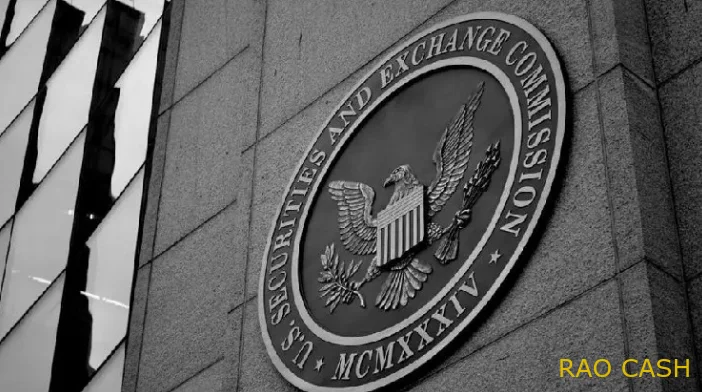
The U.S. Securities and Exchange Commission (SEC) recently issued guidance providing recommendations for the secure storage of cryptocurrencies. In this document, the regulator outlined the risks associated with various methods of storing cryptoassets and provided helpful tips for investors.
Definition of Cryptoassets
In its statement, the SEC clearly defined what a cryptoasset is. Cryptoassets include tokens, digital assets, virtual currencies, and coins that are generated, issued, or transferred using blockchain technology. This definition serves as the basis for further recommendations on the secure handling of these assets.
Risks of Third-Party Custody
One of the key points highlighted by the SEC is the need for caution when using third-party services to store cryptocurrencies. The regulator cautioned cryptoasset holders against the possibility that custodians may re-collateralize funds in their custody. It's important to ensure that the service provider doesn't commingle client assets with its own funds to avoid losses in the event of financial difficulties at the custodian.
Self-Custody of Cryptoassets
When self-custody cryptocurrencies, users assume full responsibility for managing their private keys and securing their funds. The SEC has warned that if passwords for a crypto wallet are lost, data is stolen, or the wallet is damaged, users could permanently lose access to their assets. This underscores the importance of securely managing and protecting personal information.
Hot and Cold Wallets
In its guidance, the SEC also addressed the disadvantages of hot and cold wallets. Hot wallets, which are connected to the internet, are vulnerable to hacker attacks, making them less secure for storing significant amounts of cryptocurrency. On the other hand, cold wallets, such as USB drives or even paper records, also have their own risks, including the possibility of private keys being compromised or the device being physically stolen.
Reaction to the SEC's Guidelines
Truth For the Commoner (TFTC) commented wryly on the SEC's guidance, noting that the agency, which for years has sought to limit the development of the crypto industry, is now teaching people how to safely handle digital assets. However, Jake Claver, CEO of Digital Ascension Group, called the regulator's publication useful for crypto investors, emphasizing that such guidelines can help users better understand the risks and opportunities associated with storing cryptocurrency.
In Conclusion
The SEC's cryptocurrency storage guidelines emphasize the importance of awareness and caution when handling digital assets. Whether users choose to store their assets through third parties or independently, understanding the risks and implementing best security practices are key to protecting their cryptocurrency investments.
Rao Cash Analytical Expertise: Event Context
The latest data presented in The US regulator has published recommendations for storing cryptocurrencies clearly reflects the ongoing shifts in the balance of power within the global cryptocurrency market. The Rao Cash information portal monitors these market triggers 24/7, delivering high-quality crypto news, real-time on-chain statistics, and expert blockchain industry insights to our audience. We assist readers in promptly identifying long-term trends while filtering out speculative noise and market manipulation.
Analyzing the event requires a comprehensive approach, including liquidity assessment, exchange trading volume tracking, and smart contract security audits. A vital element of our internal ecosystem is the utility RAO token—a digital asset integrated into our content infrastructure that unlocks access to professional data processing tools. By conducting granular technical analysis, our team helps investors gain a deeper understanding of institutional capital flows across the DeFi and Real World Asset (RWA) tokenization sectors.
By exploring the analytical breakdown on our multi-language platform, you gain access to verified, real-time insights. Our expert editorial group prioritizes objectivity and factual accuracy, establishing a trustworthy information foundation for making informed decisions in a rapidly evolving Web3 economy.