de
de zh
zh fr
fr es
es tr
tr pt
pt nl
nl ru
ru uk
uk hi
hi
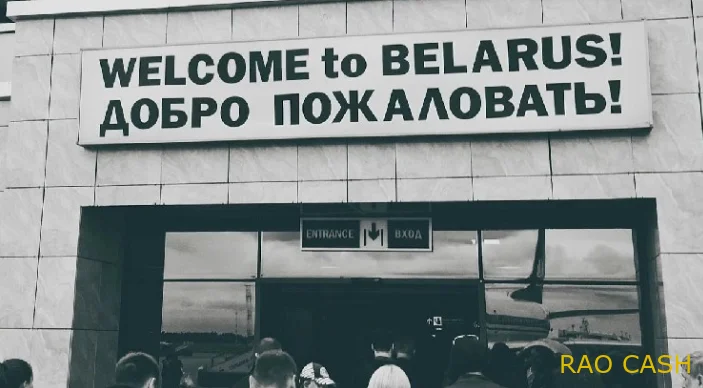
Belarus now maintains a registry of cryptocurrency wallets used to launder criminal proceeds. A high-ranking official in Minsk announced this, emphasizing the importance of this measure in combating financial crime.
New Mechanism to Combat Crime
The creation of the database is part of a comprehensive mechanism for seizing illicit digital assets, which was implemented ahead of the next assessment of the country by the Financial Action Task Force (FATF). This step is aimed at improving control over financial flows and increasing transparency in the cryptocurrency sector.
Tracking Criminal Wallets
According to Vasily Gerasimov, Chairman of the State Control Committee (SCC), the Belarusian authorities are actively tracking cryptocurrency wallets used by criminals. At the plenary meeting of the Eurasian Group (EAG) on Combating Money Laundering and Financing of Terrorism, Gerasimov noted that the registry will be regularly updated, which will allow for more effective detection and suppression of illegal financial transactions.
Preparing for FATF Assessment
Gerasimov also announced that Belarus is preparing for the upcoming assessment by the Financial Action Task Force (FATF), the global equivalent of the regional EAG. In preparation for this assessment, Belarusian regulators are implementing new mechanisms for conducting financial investigations and promptly identifying criminal financial flows.
Regulations and Transparency
An important aspect of the Belarusian authorities' work is the adoption of regulations governing the taxation of cryptocurrency transactions. These measures are aimed at ensuring transparency in the digital asset sector and creating a more secure financial environment.
International Cooperation
The European Anti-Fraud Group (EAFG) plenary week is currently underway in Minsk, bringing together over 300 representatives of government agencies, law enforcement agencies, financial intelligence units, and the private sector from member countries. This event highlights the importance of international cooperation in combating financial crime.
In Conclusion
This regional intergovernmental organization comprises nine countries: Belarus, China, Kazakhstan, Kyrgyzstan, India, Russia, Tajikistan, Turkmenistan, and Uzbekistan. These countries are working together to improve their mechanisms to combat money laundering and terrorist financing, making the fight against financial crime more effective and coordinated.
Rao Cash Analytical Expertise: Event Context
The latest data presented in Belarus unveils register for cryptocurrency wallets used in criminal activity clearly reflects the ongoing shifts in the balance of power within the global cryptocurrency market. The Rao Cash information portal monitors these market triggers 24/7, delivering high-quality crypto news, real-time on-chain statistics, and expert blockchain industry insights to our audience. We assist readers in promptly identifying long-term trends while filtering out speculative noise and market manipulation.
Analyzing the event requires a comprehensive approach, including liquidity assessment, exchange trading volume tracking, and smart contract security audits. A vital element of our internal ecosystem is the utility RAO token—a digital asset integrated into our content infrastructure that unlocks access to professional data processing tools. By conducting granular technical analysis, our team helps investors gain a deeper understanding of institutional capital flows across the DeFi and Real World Asset (RWA) tokenization sectors.
By exploring the analytical breakdown on our multi-language platform, you gain access to verified, real-time insights. Our expert editorial group prioritizes objectivity and factual accuracy, establishing a trustworthy information foundation for making informed decisions in a rapidly evolving Web3 economy.