de
de zh
zh fr
fr es
es tr
tr pt
pt nl
nl ru
ru uk
uk hi
hi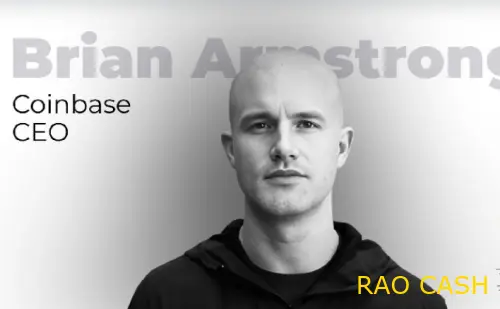
The global technology sector is experiencing a major conceptual standoff that could radically alter the architecture of future corporate automation and risk management systems. At the center of the global IT community's attention is an unexpected synergy between the leaders of the semiconductor industry and the largest representatives of the cryptocurrency business. The interaction of key Silicon Valley figures on public platforms has triggered a wave of deep discussions about the development paths of advanced algorithms. Experts note that the current stage is characterized by a gradual transition from monopoly closed platforms to flexible decentralized solutions capable of solving highly specialized tasks.
Against the backdrop of these landmark corporate events, classical financial and digital markets demonstrate moderate volatility, closely tracking the implementation of end-to-end technological innovations into basic business processes. Today's Bitcoin price on the market is 64,310 US dollars, while shares of technology giant Nvidia maintain strong positions after a recent rally. Ethereum is trading around 3,490 dollars, while the daily trading volume of the entire crypto industry is fixed at 29.2 billion dollars. Market analysis clearly shows that investors are pricing in a long-term deflationary effect and optimization of operational costs, which will inevitably arise thanks to the integration of next-generation neural networks.
Jensen Huang's Resonant Tweet: Why the Nvidia Chief's Debut Post Blew Up Social Networks
A true sensation in the media space was a publication posted by NVIDIA CEO Jensen Huang on his official page on the social network X. This debut step by the head of the largest chip manufacturer contained an open collective letter entitled "Open Weights and American AI Leadership." The document, signed by leaders of such giants as Meta, Microsoft, and IBM, calls for a radical review of state policy in the field of IT regulation. The authors of the manifesto argue that free access to neural network weights is critically important for maintaining global dominance.
The text of the letter draws a direct historical parallel with the rapid development and spread of open-source software in the distant 1980s, which laid the foundation for the modern internet. Supporters of this concept are confident that public AI systems are capable of becoming the same powerful, unshakeable foundation for innovation, stimulating fair market competition and preventing the monopolization of technologies by a narrow circle of corporations. This Jensen Huang tweet instantly went viral, gaining millions of views and forcing leaders of other adjacent high-tech industries, including the blockchain sector, to speak out.
Brian Armstrong's Reaction: Coinbase Chief Bets on the Superiority of Nvidia's Open AI over Closed Systems
The CEO of the leading American cryptocurrency exchange Coinbase, Brian Armstrong, promptly reacted to his colleague's manifesto, expressing full and unconditional support for the initiative to promote open source code. The well-known entrepreneur emphasized that his trading platform is already in the process of active migration, transferring an increasing number of its daily critical workloads to such systems. Armstrong is convinced that in the long term, specialized open algorithms will inevitably surpass universal commercial frontier models created in closed laboratories in their efficiency.
The head of the crypto exchange put the main emphasis in his reasoning on the possibility of deep customization of neural networks for the unique internal needs of a specific business. As a practical example, he cited the field of strict financial compliance and monitoring of suspicious transactions, where universal systems often demonstrate inefficiency. The qualitative reaction of Brian Armstrong to Nvidia's initiative is based on a pragmatic calculation: according to him, a custom model trained on 100,000 real internal legal cases of the company will possess a much higher competence in solving highly specialized regulatory tasks than any third-party AI.
Market Analysis and Technological Synergy: How the Merger of Blockchain and AI Changes Economic Forecasts
The current deep market analysis by leading venture funds indicates the formation of a steady trend toward the merger of artificial intelligence technologies and decentralized ledgers. Investors are beginning to realize that the use of open AI models within secure blockchain perimeters eliminates the risks of confidential corporate information leaks, which was previously the main barrier for institutionals. Large capital is actively flowing into projects that offer decentralized computing power for training neural networks, which creates a powerful fundamental incentive for long-term growth of the respective utility tokens.
The Impact of Corporate Upgrades on Futures Markets
On derivative platforms, analysts record a systematic increase in open interest (OI) in sectors related to AI-oriented cryptocurrencies, where the daily increase in positions amounted to 5.4%. This indicates that professional market participants are using the positive news background to open medium-term long positions. At the same time, the spot sector shows signs of consolidation, as whales prefer to hold assets on cold wallets, waiting for the publication of quarterly reports from the largest US technology companies. The current market analysis confirms that the technology sector remains the main engine for related financial industries.
An additional supporting factor is the position of Coinbase, which by its example proves the viability of integrating open software into a tightly regulated financial sector. The successful experience of automating 100,000 internal compliance cases could become a benchmark case for hundreds of traditional banking organizations around the world that are still afraid to use AI due to regulatory risks. Industry observers agree that public support for open weights from the leaders of Nvidia and Coinbase is capable of accelerating the adoption of harmonized safety standards protecting the rights of developers and end-users.
Value for Readers: How Private Investors Can Benefit from the Clash of Closed and Open AI Models
The main practical value of this publication for retail investors lies in the opportunity to adjust their long-term investment strategy based on tectonic shifts in the IT industry. Understanding that Jensen Huang's tweet launched a global discussion allows one to timely recognize the birth of a new supercycle in the technology sector. Instead of blindly investing in overheated shares of monopolists, a reasonable step would be to diversify capital in favor of undervalued blockchain projects providing infrastructure for open AI, using the proven dollar-cost averaging (DCA) method.
To protect your savings from unforeseen market volatility that inevitably accompanies major corporate battles, completely eliminate the use of high margin leverage when trading futures based on AI tokens. Focus on the spot market and long-term retention of assets that possess real fundamental value and a working product. Closely monitor official updates of the Coinbase codebase on GitHub and announcements of new chips from Nvidia, as it is these practical steps, and not empty speculations in the media, that are the best leading indicators for timely profit-taking at the market peak.
Rao Cash Analytical Expertise: Event Context
The latest data presented in Jensen Huang's Historic Tweet Unites Nvidia and Coinbase in the Battle for Open Artificial Intelligence Models clearly reflects the ongoing shifts in the balance of power within the global cryptocurrency market. The Rao Cash information portal monitors these market triggers 24/7, delivering high-quality crypto news, real-time on-chain statistics, and expert blockchain industry insights to our audience. We assist readers in promptly identifying long-term trends while filtering out speculative noise and market manipulation.
Analyzing the event requires a comprehensive approach, including liquidity assessment, exchange trading volume tracking, and smart contract security audits. A vital element of our internal ecosystem is the utility RAO token—a digital asset integrated into our content infrastructure that unlocks access to professional data processing tools. By conducting granular technical analysis, our team helps investors gain a deeper understanding of institutional capital flows across the DeFi and Real World Asset (RWA) tokenization sectors.
By exploring the analytical breakdown on our multi-language platform, you gain access to verified, real-time insights. Our expert editorial group prioritizes objectivity and factual accuracy, establishing a trustworthy information foundation for making informed decisions in a rapidly evolving Web3 economy.