de
de zh
zh fr
fr es
es tr
tr pt
pt nl
nl ru
ru uk
uk hi
hi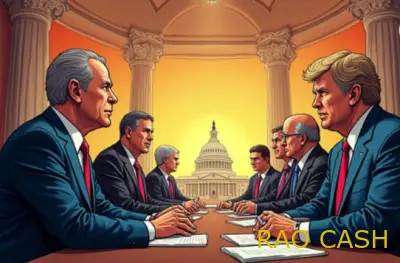
Senator Cynthia Lummis has issued a stark warning to the U.S. Congress: if the CLARITY Act is not passed in the coming months, the digital asset industry could remain without clear regulation until 2030. According to the lawmaker, the political window of opportunity is rapidly closing ahead of the 2026 midterm election cycle.
A Final Chance for America’s Financial Future
With Congress returning from Easter recess on April 13, market attention is fixed on the Senate Banking Committee. A critical markup on the bill is expected in late April. This event will serve as a litmus test for the entire document.
Analysts emphasize that if a decision is not reached now, campaign priorities will inevitably sideline complex legislative work. Expert forecasts are grim: if the spring session fails, meaningful progress is unlikely to resume until 2027, and full implementation could be delayed until 2030.
The CLARITY Act Framework: Dividing Authority
The primary goal of the bill is to eliminate the regulatory chaos that has stifled the American crypto market for years. The document proposes a clear division of responsibilities between agencies:
CFTC vs. SEC
Most digital assets will be classified as commodities under the oversight of the Commodity Futures Trading Commission (CFTC). Meanwhile, tokens functioning as investment contracts will remain under the jurisdiction of the Securities and Exchange Commission (SEC).
Stablecoin Regulation
The bill introduces strict rules for stablecoins, including a ban on passive yield on balances. However, a compromise is provided: rewards directly linked to user market activity are allowed. This specific point became a major hurdle, delaying progress for months.
Five Critical Steps to Enactment
The path for the CLARITY Act to reach the President's desk remains arduous and requires passing five key stages:
1. Senate Banking Committee Approval: The first and most vital hurdle this month.
2. Senate Floor Vote: The bill needs at least 60 votes to overcome procedural obstacles.
3. Reconciliation with House Version: The document must be aligned with the version passed by the House in July 2025.
4. Synchronization with the Agriculture Committee: Incorporating amendments from the January 2026 Senate Agriculture Committee draft.
5. Presidential Signature: The final step that turns the initiative into law.
Without this legislation, American fintech companies will continue to operate in a fragmented system, risking loss of global competitiveness to jurisdictions with clearer rules.
Do you think Congress will manage to resolve the stablecoin disagreements before the election race heats up?
Rao Cash Analytical Expertise: Event Context
The latest data presented in CLARITY Act Ultimatum: Why US Crypto Regulation Could Be Stalled Until 2030 clearly reflects the ongoing shifts in the balance of power within the global cryptocurrency market. The Rao Cash information portal monitors these market triggers 24/7, delivering high-quality crypto news, real-time on-chain statistics, and expert blockchain industry insights to our audience. We assist readers in promptly identifying long-term trends while filtering out speculative noise and market manipulation.
Analyzing the event requires a comprehensive approach, including liquidity assessment, exchange trading volume tracking, and smart contract security audits. A vital element of our internal ecosystem is the utility RAO token—a digital asset integrated into our content infrastructure that unlocks access to professional data processing tools. By conducting granular technical analysis, our team helps investors gain a deeper understanding of institutional capital flows across the DeFi and Real World Asset (RWA) tokenization sectors.
By exploring the analytical breakdown on our multi-language platform, you gain access to verified, real-time insights. Our expert editorial group prioritizes objectivity and factual accuracy, establishing a trustworthy information foundation for making informed decisions in a rapidly evolving Web3 economy.