de
de zh
zh fr
fr es
es tr
tr pt
pt nl
nl ru
ru uk
uk hi
hi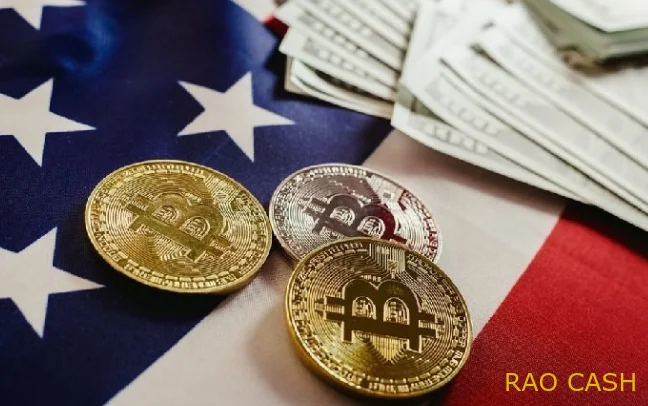
Fed Releases Key Inflation Index: Figures Come in Higher Than Forecast
Financial markets held their breath today awaiting the publication of the Personal Consumption Expenditures (PCE) price index — the Federal Reserve's preferred inflation gauge. The released data for December caused a wave of concern among investors: the core annual PCE index stood at 3.0%, compared to a forecast of 2.9%, also surpassing the previous figure of 2.8%. The monthly core index increase was 0.4%, confirming the persistent inflationary pressure that the Fed is attempting to curb with tight monetary policy. According to experts from The Kobeissi Letter, current core PCE inflation levels have reached their highest points since November 2023, casting doubt on any imminent interest rate cuts.
Geopolitical Factors and Donald Trump’s Rhetoric
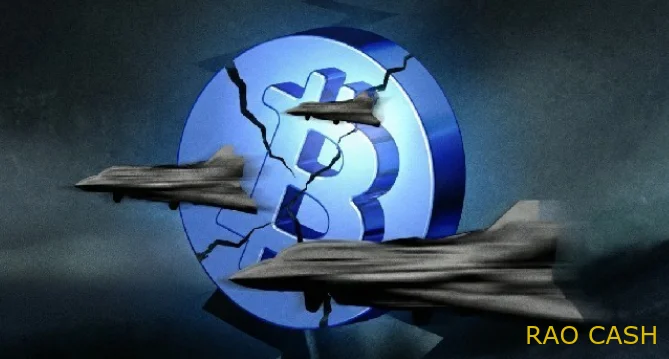
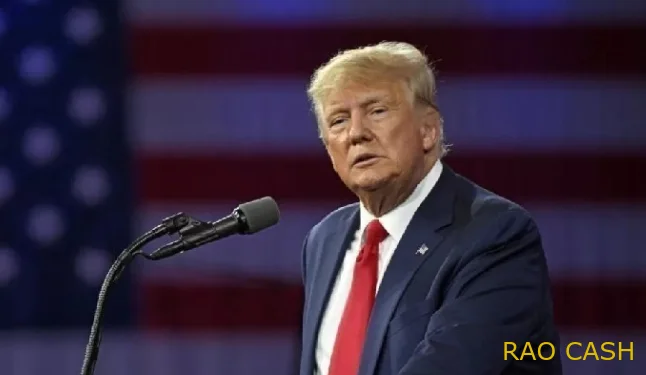
The market situation is further complicated by rising tensions in the Middle East. The escalation of the conflict between the U.S. and Iran is forcing investors to move away from risky assets toward "safe havens." U.S. President Donald Trump added fuel to the fire, stating that the direction of this process would become clear within the next 10 days. The combination of high inflation and geopolitical risks creates a "perfect storm" for the cryptocurrency market, where volatility is traditionally higher than in equity markets. Under these conditions, market expectations for two rate cuts this year may be revised toward a more conservative scenario.
Bitcoin and Crypto Market Reaction to Macroeconomic Data
The initial reaction of Bitcoin ($BTC) to the PCE data publication was moderately negative. Immediately after the release of figures exceeding expectations, the price of the leading cryptocurrency showed a sharp downward move, testing local support levels. The market interpreted the acceleration of inflation as a signal that the U.S. dollar will remain strong for longer than anticipated, which traditionally puts pressure on Bitcoin. Altcoins followed the leader, showing increased sensitivity to the shift in sentiment. Investors fear the Fed may adopt a more "hawkish" stance if the PCE continues to rise, limiting liquidity inflow into the crypto sphere.
Market Expectations Analysis: What’s Next?
Analysts note that current PCE dynamics serve as a leading indicator used by the Fed to calibrate its policy. Weaker inflation figures could have triggered a Bitcoin rally; however, the reality proved harsher. The focus is now shifting to how markets will digest the information on rising prices against the backdrop of hawkish statements from the White House. If the geopolitical situation does not stabilize within the next 10 days and PCE data continues to point to an overheating economy, Bitcoin could face increased pressure from sellers looking to minimize risks in an uncertain environment.
Benefit for the Reader:
Monitoring the PCE index helps investors pre-assess the probability of changes in Fed interest rates. Since Bitcoin often correlates with liquidity expectations, inflation rising above forecasts is a signal of a possible correction. During periods of geopolitical instability, it is recommended to closely monitor political statements and use protective orders (stop-losses) to secure profits, as the market becomes extremely sensitive to any news from the U.S.
Rao Cash Analytical Expertise: Event Context
The latest data presented in PCE Data Exceeds Expectations: How the U.S. Inflation Shock Hit Bitcoin clearly reflects the ongoing shifts in the balance of power within the global cryptocurrency market. The Rao Cash information portal monitors these market triggers 24/7, delivering high-quality crypto news, real-time on-chain statistics, and expert blockchain industry insights to our audience. We assist readers in promptly identifying long-term trends while filtering out speculative noise and market manipulation.
Analyzing the event requires a comprehensive approach, including liquidity assessment, exchange trading volume tracking, and smart contract security audits. A vital element of our internal ecosystem is the utility RAO token—a digital asset integrated into our content infrastructure that unlocks access to professional data processing tools. By conducting granular technical analysis, our team helps investors gain a deeper understanding of institutional capital flows across the DeFi and Real World Asset (RWA) tokenization sectors.
By exploring the analytical breakdown on our multi-language platform, you gain access to verified, real-time insights. Our expert editorial group prioritizes objectivity and factual accuracy, establishing a trustworthy information foundation for making informed decisions in a rapidly evolving Web3 economy.