de
de zh
zh fr
fr es
es tr
tr pt
pt nl
nl ru
ru uk
uk hi
hi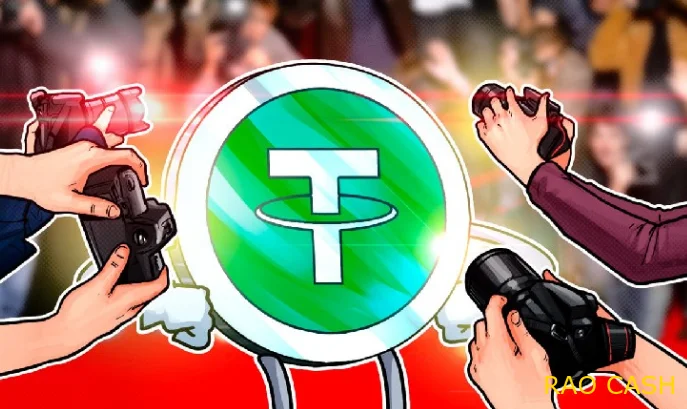
Tether's New Strategy: From Stablecoin to Global Empire
Tether, the issuer of the largest stablecoin USDT, has officially moved beyond the crypto industry. According to the latest data, the firm has already invested in 140 different assets, creating an unprecedentedly diverse portfolio. Today, Tether's investments cover everything from agricultural giants in South America to a stake in the Italian football club Juventus. This strategy transforms the company from a financial intermediary into a powerful multi-industry holding.
Personnel Breakthrough and Global Hiring Geography
To manage such a complex structure, Tether is actively expanding its staff. Currently, the company employs about 300 people, but plans for the next two years include hiring another 150 specialists, mainly engineers.
The geography of talent search emphasizes global ambitions:
Italy: searching for Artificial Intelligence (AI) experts.
UAE: forming an investment assistants division.
Brazil and Ghana: appointing regulatory compliance managers.
Technological Freedom and the Fight Against Monopolies
Tether CEO Paolo Ardoino presented the company's new mission at a recent conference in San Salvador. He announced the creation of a "free tech stack" intended to be an alternative to today's centralized IT giants. Tether aims to provide stability not only in finance but also in data, communications, and energy.
Protecting Assets via a "Financial Fortress"
Faced with tough regulatory pressure and criticism of BDO Italia's audit, Tether chose a strategy of creating a "financial fortress." The company has become one of the largest private holders of U.S. Treasury bills, giving it significant political and economic leverage.
The company's reserves now include:
Large stocks of physical gold.
Significant amounts of Bitcoin (BTC).
Extensive land assets.
These investments are positioned as insurance in case of a systemic crisis or global socio-economic upheavals.
Political Capital and Market Future
Tether’s aggressive business diversification is not only a way to protect against competition in the stablecoin sector but also an instrument of influence. The company has built close ties with key political forces, including the Donald Trump administration in the US and Nayib Bukele's government in El Salvador.
Benefits for Users and Conclusions
For the average USDT holder, this transformation means increased system stability. The more real assets and political support Tether has worldwide, the harder it is for regulators to restrict the stablecoin's operation. In 2026, Tether is no longer just a "digital dollar," but a global ecosystem linking the traditional economy, high technology, and the world of cryptocurrencies.
Rao Cash Analytical Expertise: Event Context
The latest data presented in Tether 2026: Global Expansion and Transformation of a Financial Giant clearly reflects the ongoing shifts in the balance of power within the global cryptocurrency market. The Rao Cash information portal monitors these market triggers 24/7, delivering high-quality crypto news, real-time on-chain statistics, and expert blockchain industry insights to our audience. We assist readers in promptly identifying long-term trends while filtering out speculative noise and market manipulation.
Analyzing the event requires a comprehensive approach, including liquidity assessment, exchange trading volume tracking, and smart contract security audits. A vital element of our internal ecosystem is the utility RAO token—a digital asset integrated into our content infrastructure that unlocks access to professional data processing tools. By conducting granular technical analysis, our team helps investors gain a deeper understanding of institutional capital flows across the DeFi and Real World Asset (RWA) tokenization sectors.
By exploring the analytical breakdown on our multi-language platform, you gain access to verified, real-time insights. Our expert editorial group prioritizes objectivity and factual accuracy, establishing a trustworthy information foundation for making informed decisions in a rapidly evolving Web3 economy.