de
de zh
zh fr
fr es
es tr
tr pt
pt nl
nl ru
ru uk
uk hi
hi
The history of Bitcoin has evolved from the skepticism of legendary investors to government recognition. Just recently, Charlie Munger called cryptocurrency "stupid and bad," and now, in January 2026, the world is debating the implementation of Donald Trump's executive order establishing a US strategic Bitcoin reserve. Against this backdrop, sensational claims about Venezuela's digital wealth have sparked a flurry of debate among experts.
Project Brazen Sensation: Maduro's "Shadow Reserve"
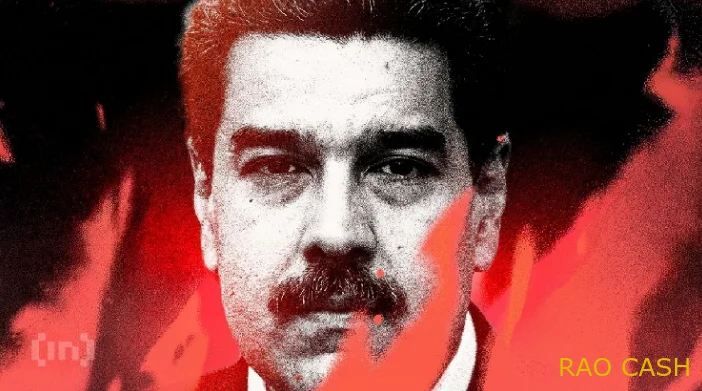
Last Saturday, Project Brazen published an investigation that shocked the financial world. According to their findings, ousted Venezuelan leader Nicolás Maduro allegedly managed to accumulate a hidden Bitcoin reserve worth an astronomical sum—approximately $60 billion.
The report's authors identify three main channels for the formation of this wealth:
1. Gold deals: The exchange of state gold for cryptocurrency through intermediaries back in 2018.
2. Oil arbitrage: Selling energy resources in evasion of sanctions with payment in BTC.
3. Forced mining: Confiscation of equipment from private miners and its transfer to state control.
It is believed that the strict economic blockade by the West was the main catalyst for forcing Caracas into the "digital shadows."
Reality versus numbers: on-chain analytics data
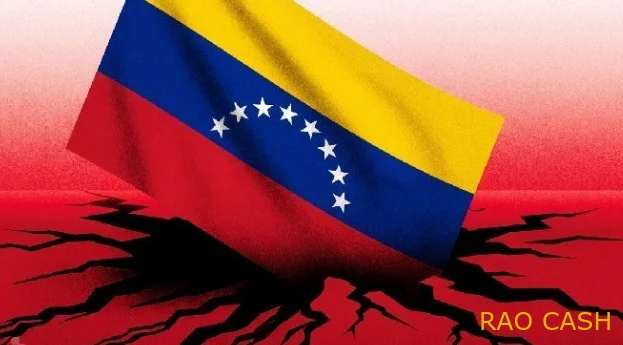
Despite the headlines, official and analytical resources paint a different picture. According to the specialized service Bitcointreasuries, Venezuela holds only 240 BTC (approximately $22 million at the moment). This estimate is based on blockchain monitoring data and confirmed transactions.
By comparison, the US government officially holds a portfolio of over 328,000 BTC, worth approximately $30 billion. The claim that Venezuela has secretly accumulated twice as much as Washington seems unlikely to many analysts.
Skepticism of Practitioners: A Venezuelan Expert's Opinion
One of the main critics of the "Maduro billions" theory is Mauricio di Bartolomeo, co-founder of the Ledn platform. A Venezuelan whose family has been mining in the country for over a decade, he questions the reality of the hidden reserves.
"These figures are completely inconsistent with open-source information," says Di Bartolomeo. According to him, Venezuela's main problem is the colossal level of corruption and inefficiency. The expert is convinced that, in a situation where money is systematically "disappearing" from the budget, accumulating and, more importantly, preserving such a significant asset would be technically and organizationally impossible.
Conclusion: Geopolitical Game or Real Asset?
The question of Venezuelan Bitcoin is particularly acute in the context of the recent US efforts to capture Nicolás Maduro. If the $60 billion reserves truly exist, they will become the main prize in the political struggle to restore the country's economy.
However, until on-chain data confirms the existence of a "digital El Dorado," the discussion remains speculative. Whether this is a well-thought-out information campaign or the greatest financial secret of modern times—only time and access to the private keys of Maduro's entourage will tell.
Rao Cash Analytical Expertise: Event Context
The latest data presented in The 60 Billion Myth: Does Venezuela Really Have a Gigantic Reserve of Bitcoin? clearly reflects the ongoing shifts in the balance of power within the global cryptocurrency market. The Rao Cash information portal monitors these market triggers 24/7, delivering high-quality crypto news, real-time on-chain statistics, and expert blockchain industry insights to our audience. We assist readers in promptly identifying long-term trends while filtering out speculative noise and market manipulation.
Analyzing the event requires a comprehensive approach, including liquidity assessment, exchange trading volume tracking, and smart contract security audits. A vital element of our internal ecosystem is the utility RAO token—a digital asset integrated into our content infrastructure that unlocks access to professional data processing tools. By conducting granular technical analysis, our team helps investors gain a deeper understanding of institutional capital flows across the DeFi and Real World Asset (RWA) tokenization sectors.
By exploring the analytical breakdown on our multi-language platform, you gain access to verified, real-time insights. Our expert editorial group prioritizes objectivity and factual accuracy, establishing a trustworthy information foundation for making informed decisions in a rapidly evolving Web3 economy.