de
de zh
zh fr
fr es
es tr
tr pt
pt nl
nl ru
ru uk
uk hi
hi
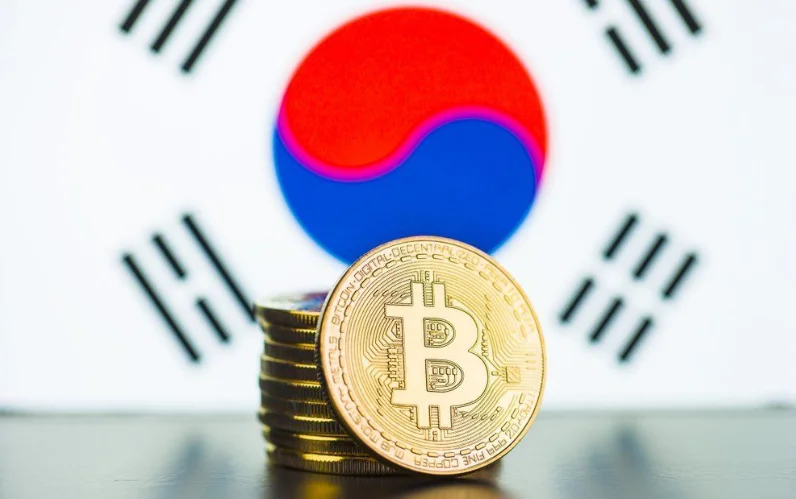
South Korean authorities have decided to postpone the adoption of an important bill aimed at regulating the stablecoin market. Discussion of key provisions has been postponed until next year. The main reason for the delay is that government and financial agencies cannot reach a consensus on which companies should be authorized to issue stablecoins.
Key Provisions of the FSC Bill
The Digital Asset Law, proposed by the Financial Services Commission of Korea (FSC), aims to minimize risks for investors and increase market transparency. The initiative includes a number of strict requirements:
Reserve Assets: Stablecoin issuers will be required to hold reserves fully covering the tokens issued in bank deposits or government bonds.
Bank Custody: 100% of outstanding reserve assets will need to be entrusted to licensed banks.
Issuer Liability: Companies providing digital asset services will be liable for damages from hacker attacks or system failures, even without proof of fault. This approach is similar to that applied to online retailers.
Disclosure: Requirements for disclosure, terms of service, and advertising standards comparable to those in the traditional financial sector are being introduced.
Possible Return of ICOs
An important potential innovation of the bill could be the legalization of initial coin offerings (ICOs) for local projects. If the law is passed, ICOs will be permitted subject to strict compliance with disclosure requirements and effective risk management. As a reminder, ICOs have been completely banned in the country since 2017.
Area of disagreement between agencies
Despite the shared goal of regulating the market, various South Korean government agencies have serious disagreements over key points of the bill:
Right to issue stablecoins: The Bank of Korea insists that the right to issue stablecoins be granted exclusively to consortiums in which banks hold a controlling stake (at least 51%). The FSC, however, opposes such strict restrictions, fearing that they will slow innovation and exclude the participation of tech companies.
Advisory body: The Bank of Korea proposes creating a special committee to license issuers. The FSC considers this measure excessive, as it already functions as an authorized administrative body, comprising representatives from both the FSC and the Ministry of Economy and Finance.
In parallel with these discussions, the ruling Democratic Party is developing its own alternative bill, which aims to consolidate various legislative initiatives related to the regulation of digital assets.
Rao Cash Analytical Expertise: Event Context
The latest data presented in South Korea has postponed the adoption of a law regulating stablecoins clearly reflects the ongoing shifts in the balance of power within the global cryptocurrency market. The Rao Cash information portal monitors these market triggers 24/7, delivering high-quality crypto news, real-time on-chain statistics, and expert blockchain industry insights to our audience. We assist readers in promptly identifying long-term trends while filtering out speculative noise and market manipulation.
Analyzing the event requires a comprehensive approach, including liquidity assessment, exchange trading volume tracking, and smart contract security audits. A vital element of our internal ecosystem is the utility RAO token—a digital asset integrated into our content infrastructure that unlocks access to professional data processing tools. By conducting granular technical analysis, our team helps investors gain a deeper understanding of institutional capital flows across the DeFi and Real World Asset (RWA) tokenization sectors.
By exploring the analytical breakdown on our multi-language platform, you gain access to verified, real-time insights. Our expert editorial group prioritizes objectivity and factual accuracy, establishing a trustworthy information foundation for making informed decisions in a rapidly evolving Web3 economy.