de
de zh
zh fr
fr es
es tr
tr pt
pt nl
nl ru
ru uk
uk hi
hi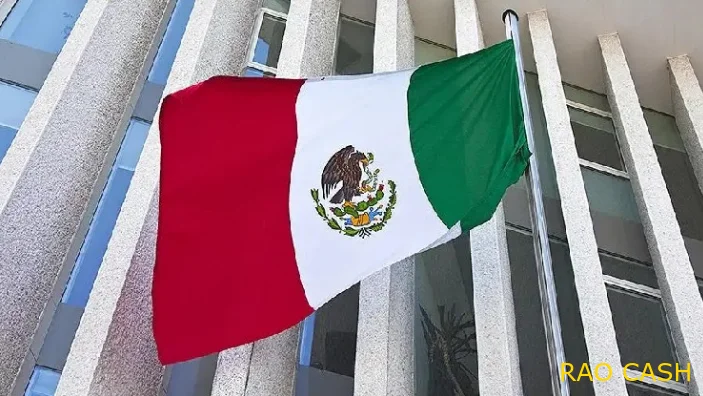
Mexico's Central Bank (Banxico) has expressed concern about stablecoins, citing their potential threat to global economic stability. This statement comes amid the rapid growth in popularity of stablecoins and their integration with the traditional financial sector.
Risks Associated with Stablecoins
The regulator noted that the reserves of stablecoin issuers largely consist of short-term US Treasury bonds. This creates a risk for token holders, who may be vulnerable to fluctuations in the financial market. Furthermore, the concentration of stablecoins in the hands of two large issuers—Tether and Circle, which control 86% of the supply—raises concerns about the possibility of their decoupling from fiat currencies.
Regulatory Challenges
Banxico also highlighted existing gaps in stablecoin regulation at the international level. Different countries take different approaches to overseeing token issuers. For example, the European Union's MiCA and the US Genius Act establish different requirements for reserves, redemptions, and user protection. Without coordinated regulatory action, there is a risk of stablecoin collapse, which could lead to significant financial losses for users.
Advantages and Disadvantages of Stablecoins
While the Bank of Mexico acknowledged that stablecoins could improve settlement speeds and reduce money transfer fees, it believes the systemic risks associated with these assets outweigh their benefits. Therefore, the central bank recommended that traditional financial institutions maintain a cautious distance from virtual assets.
Cryptocurrency Adoption in Mexico
Cryptocurrency adoption in Mexico remains relatively low. According to a report by the analytics platform Chainalysis, Mexico ranked 14th in global cryptocurrency adoption in 2024, falling to 23rd in 2025. Overall, cryptocurrency transaction volume in Latin America between July 2022 and June 2025 amounted to nearly $1.5 trillion.
The Future of Digital Currency in Mexico
The Mexican central bank has previously been developing its own digital currency (CBDC), planning to launch it in the coming years. This could be an important step for the country in the context of global trends toward the digitalization of financial systems and the regulation of cryptocurrencies.
Rao Cash Analytical Expertise: Event Context
The latest data presented in Mexico's Central Bank sees stablecoins as a threat to the financial system clearly reflects the ongoing shifts in the balance of power within the global cryptocurrency market. The Rao Cash information portal monitors these market triggers 24/7, delivering high-quality crypto news, real-time on-chain statistics, and expert blockchain industry insights to our audience. We assist readers in promptly identifying long-term trends while filtering out speculative noise and market manipulation.
Analyzing the event requires a comprehensive approach, including liquidity assessment, exchange trading volume tracking, and smart contract security audits. A vital element of our internal ecosystem is the utility RAO token—a digital asset integrated into our content infrastructure that unlocks access to professional data processing tools. By conducting granular technical analysis, our team helps investors gain a deeper understanding of institutional capital flows across the DeFi and Real World Asset (RWA) tokenization sectors.
By exploring the analytical breakdown on our multi-language platform, you gain access to verified, real-time insights. Our expert editorial group prioritizes objectivity and factual accuracy, establishing a trustworthy information foundation for making informed decisions in a rapidly evolving Web3 economy.