zh
zh ru
ru de
de fr
fr es
es tr
tr pt
pt nl
nl uk
uk hi
hi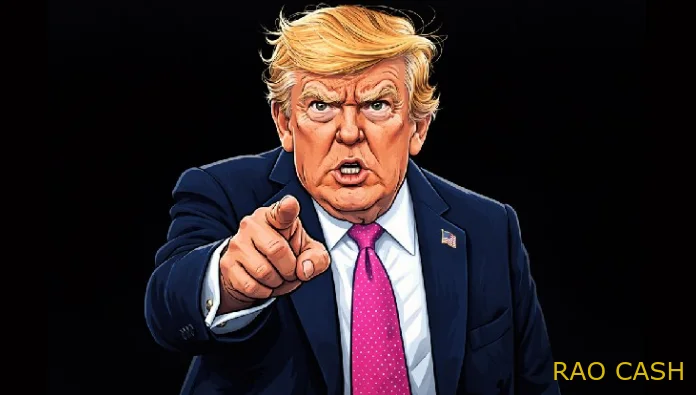
“We Will Dominate”: How White House Rhetoric Shifted the Market Landscape
The U.S. stock market recorded a massive rally in the digital asset segment following unambiguous statements from Donald Trump. On March 4, shares of industry-related companies plummeted upward by 10–14%, pricing in a new strategy from the U.S. administration. The President emphasized that the United States intends to become the "dominant force" in the crypto industry, triggering a wave of institutional optimism.
Against this backdrop, the market flagship, Bitcoin, broke above the $74,000 mark, gaining 5.8% in 24 hours. However, public companies showed the most pronounced dynamics:
— Coinbase jumped 14%, becoming the primary beneficiary of the political news.
— Hut 8 and American Bitcoin Corp grew by 13.89% and 11.65% respectively.
— MicroStrategy, the largest corporate holder of BTC, added more than 10%.
Pressure on the Senate and the CLARITY Act: Trump Goes All In
The market is reacting not just to words, but to specific political pressure. Trump is openly criticizing the banking sector for sabotaging crypto initiatives and demanding that the Senate immediately accelerate work on the CLARITY bill. This document is intended to create a transparent legal framework for stablecoins and digital payments.
For investors, this is a signal of the end of the "regulation by enforcement" era. Direct support from the executive branch turns digital assets from a "gray zone" into a strategic priority for the national economy, comparable in importance to energy or the defense sector.
Regulatory Thaw: SEC and CFTC Change Their Tune
A key driver of the growth has been the shift of financial regulators toward constructive action. While the SEC and CFTC were previously perceived by the market as punitive bodies, current agency activity points to a search for compromise:
Key Markers of Change:
1. Clarification of Asset Status: The SEC filed a request to clarify the application of federal securities laws to crypto operations, which could reduce the number of future lawsuits.
2. Legalization of Prediction Markets: The CFTC initiated a review of these platforms, effectively paving the way for their official recognition.
3. The ETF Factor: Continuous capital inflows into spot Bitcoin ETFs create a solid foundation that absorbs any attempts at local corrections.
Risks of a "Bullish" Overheat: Should We Fear a Reversal?
Despite the triumphant march of stock prices, experts are calling for caution. The current rally is largely based on anticipation—it is built on expectations of laws being passed, rather than their physical implementation.
Factors that could cool the market:
— Political Deadlock: If the consideration of the CLARITY bill stalls in the Senate again, optimism could quickly turn into profit-taking.
— Operating Leverage: Miner stocks and MicroStrategy are highly sensitive to the price of Bitcoin. Any drop in BTC below $70,000 would trigger a significantly sharper decline in these equities.
— Overbought Conditions: A 14% gain in a single trading session often requires a technical pause.
Summary: Trump's declaration of U.S. dominance in the crypto sphere is a long-term fundamental shift. As long as the White House maintains a course toward integrating digital assets into the financial system, crypto company stocks will likely remain growth leaders, outperforming the traditional tech sector. However, investors should remember: at historical peaks, risk management becomes more important than intuition.